

[CURATED CONTENT] This paper was first published on Le Monde and is available here (in French).
by Guillaume Chevillon and Julien Malaurent, Institute for AI & Business Academic Co-Directors
Dec. 15, 2023
Studies show that AI will augment human tasks rather than substitute them, with human oversight remaining crucial due to AI's limitations. The authors stress the importance of human intuition and behavioural skills, advocating for a balanced approach where AI complements human work, and they warn against short-sighted corporate strategies that undervalue human capital.
[CURATED CONTENT] This paper was first published on Usbek & Rica and is available here (in French).
by Xavier Pavie, Professor at ESSEC Business School
Dec. 18, 2023
The article explores the philosophical implications of technology, questioning human understanding of artificial environments. It delves into concerns about AI, emphasizing the societal shift where innovation is accepted rather than chosen. The author invites us to move from the "how" to the "why" of innovation.
[Student IDEAS] by Qinglan Huang & Yiyang Zhao - Master in Management at ESSEC Business School
The article discusses the relationship between AI and environmental sustainability, emphasizing the need for "Green AI" to reduce AI's carbon and resource footprint. It covers strategies to improve energy efficiency in data centers, shifting to cloud and edge computing, optimizing algorithms, and ensuring the circularity of AI hardware components. It highlights the importance of regulations, transparency, and incentives to promote sustainable AI practices and the role of the EU in governing the green AI sector. The ultimate goal is to make environmentally friendly AI the industry standard.
---
When you think about “Artificial Intelligence” and “Green”, what connection could you make between these two fields? You may probably consider Artificial Intelligence (AI) and machine learning (ML) as a powerful tool to combat climate change. Indeed, AI has been used by governments, industries, and companies for collecting and computing data to prepare for change. However, with such unprecedented impact, it is imperative to examine the negative effect that massive AI adoption might have on the environment and climate in particular. While the potential of AI is frequently highlighted as a gamechanger for the transition in areas such as agriculture, building and mobility, the energy and resource consumption associated with AI computing is skyrocketing, along with a surge in estimated carbon emissions. What can it take to reduce this impact? And how might Multinational Companies (MNC), Small and Medium Enterprises (SME), and other AI players are working upon this green AI issue?
Green AI is an emerging field to tackle environmental sustainability for the use of Artificial Intelligence. Its primary objective is to develop tools and techniques to mitigate the carbon and resource usage of AI adoption. The document “A role of Artificial Intelligence in the European Green Deal”, led by the European Parliament, illustrated the urgent needs for regulation and governance to manage the dynamics related to AI in implementing environmental objectives. Various sectors are actively working towards creating suitable regulatory instruments for assessing and integrating the evaluation of AI's environmental impacts within the current European regulatory framework.

In addition to the incoming assessments and regulations around AI sustainability, numerous programmes and initiatives have also been implemented to incentivise sustainable business applications and create more market opportunities. Incentives like loans aligned with the future EU taxonomy or targeted ‘green’ adjustments to public procurement law have accelerated the empowerment of specific actors and the implementation of sustainable AI.
There is no secret that the use of AI requires vast amounts of energy, along with their life cycle emissions rather than just training data. For companies dependent on AI technology, the carbon emissions resulting from AI operations have become a significant and growing concern.
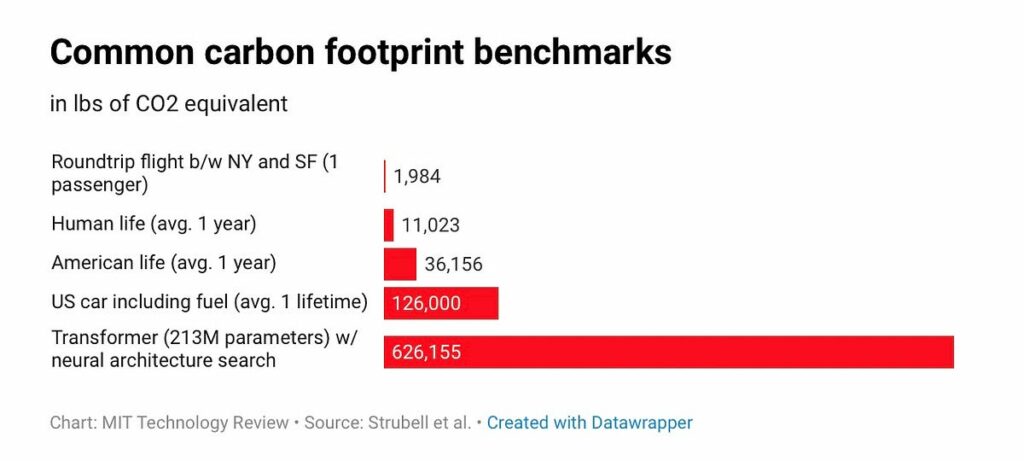
Training a machine learning system, for example, needs to simulate millions of scenarios and perform statistical analyses on them. These processes can go on for weeks and even months, consuming a lot of computing power. The MIT Technology Review reported that training one large AI model can emit more than 626,000 pounds of carbon dioxide equivalent - nearly five times the lifetime emissions of the average American car.
However, to accurately measure the footprint of AI is difficult. One has to determine first its power usage, which mostly funnels into the data centers that provide computational power to process, analyze and store vast amounts of datasets. In addition to the power for data center’s own use, cooling systems, such as air conditioning and liquid cooling, also require substantial energy consumption to prevent overheating caused by continuous operation of servers, storage systems, networking equipment, and maintaining optimal operating conditions.
Emissions related to data centers are mainly categorized as Scope 2 emissions for tech companies, meaning emissions from purchased electricity by the organizations. According to the International Energy Agency (IEA), data centers and data transmission networks alone account for about 1-1.5% of global electricity consumption. This percentage is expected to rise at a surprising speed as more organizations and industries adopt AI technologies.
Another big part of the emissions of AI usage is coming from the life cycle of hardware used. AI models run on hardware - computers that incorporate resources such as processors, memory, and networks. The embedded carbon emissions arise because there are energy uses in each of the life cycles of hardware used by AI, including extraction of materials, manufacturing, upstream transportation, and disposal.
The rise of AI emissions has been crucial for the tech sector to combat their carbon emissions, requiring them to develop a holistic and robust approach around green AI. In the subsequent study, we will identify the key pathways for green AI practices and the low-hanging fruit for companies to see impacts immediately.
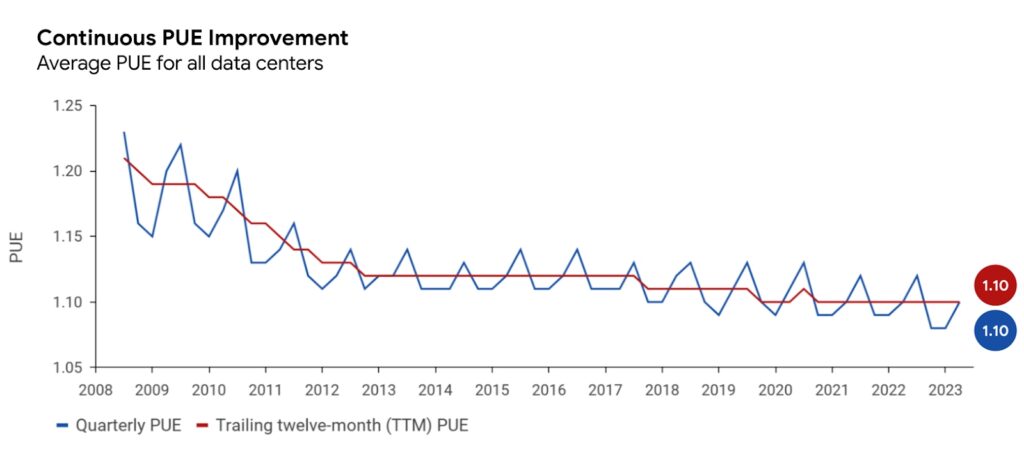
One way of abating carbon emissions of AI usage is to adopt next-generation infrastructure more efficiently. A simple approach is to improve the power usage effectiveness (PUE)1 of data centers used. This can be done by incrementally increasing current data centers or by replacing and adding data centers with the latest practices. One example is to shut down “zombie servers” - those that use electricity but no longer have workloads or data on them - consolidating workloads so that there are more per server, which reduces the number of servers and in turn enhances the utilization of a single server.
For large deployments, it is also feasible to implement advanced cooling systems that host the servers and data centers. Enterprises are able to simply move data centers to cooler locations or invest in new cooling technology, but this could be expensive. This has been implemented by Microsoft. They have built a Thermal Energy Center and developed a more efficient cooling system by leveraging the temperature difference between sub-ground soil, which remains constant year-round, and that of ambient air, which changes with seasons. This system is expected to reduce energy consumption by more than 50% of a typical utility plant.
Waste heat recycling of data centers could be another upgraded option. Microsoft's new data center in the Helsinki metropolitan area, which will use 100% emission-free electricity, is able to capture the excess heat generated from itself and send the clean heat for multiple use. Fortum, a power company in Helsinki, helps transfer the clean heat from the server to homes, businesses and public buildings that are connected to the local heating system. It reduces about 400,000 tonnes of CO2 emissions annually and brings an upgrade of community heating networks in Finland.

Improving the efficiency of data centers may sound glorious, but in fact, it is expensive and results in limited carbon decrease. A company would cut carbon emissions by only 15-20% by doubling their investment on existing infrastructure and cloud to reduce PUE, according to a Mckinsey analysis.
It is suggested that for most AI adopters, compared with improving their on-premise data centers, a much more efficient approach is to shift their business directly on cloud infrastructures. Hyperscalers (also known as cloud service providers) and co-locators have already invested massively in ultra-efficient data centers with PUEs of 1.4, 1.3 or even as low as 1.1 on occasion, whereas the current industry average is 1.57 for an on-premise data center. In recent surveys, researchers even found that running business applications on cloud infrastructure, rather than in on-premises enterprise data centers in Europe, could reduce associated energy usage by nearly 80%. Public cloud services providers such as Microsoft, Google, Amazon are generally much more efficient than those enterprise-operated servers in terms of their data center usage. However, for those small deployments that exist for a particular reason and cannot easily be shifted to the public cloud, it is suggested to consider other alternatives.
At the same time, cloud computing also brings drawbacks such as service downtime or significant slowdowns due to connectivity or network issues. This could lead to slower responses and undoubtedly increased energy consumption. The emerging Edge AI is well positioned to address this issue. Edge AI eliminates the need for connectivity between systems and allows users to process data in real time on local devices such as computers, Internet of Things (IoT) devices, or dedicated edge servers. As a distinctive disrupter, Edge computing reduces the need for high-performance computing infrastructure and thus leads to a significant reduction in energy consumption and carbon emissions.
Edge computing is increasingly seen as the next potential to compete with GPUs for the vanguard of the AI computing market. OmniML, an AI startup recently acquired by NVIDIA in a secret deal in February 2023, is a company that specializes in shrinking machine learning models to edge devices, enabling machine learning tasks to be 10x faster on different edge devices with 1/10th of the engineering effort. Last year, OmniML launched Omnimizer, a platform that can adapt computationally intensive AI models to low-end hardware. The adaptation bridges the gap between AI applications and edge devices and hugely increases the potential of the devices. As data storage and computation become more accessible to users, the adapted and hardware-aware AI is also faster, more accurate, energy efficient, and cost-effective. Edge AI plays a critical role in Green AI, enabling energy-efficient and decentralized AI systems.
To reach the overarching goal of green AI, it is comparably notable to develop more efficient models and algorithms accommodated to the progress of hardwares. As state-of-the-art machine learning is shifting to run on the edge devices, more constraints are introduced compared to traditional algorithm design approaches. This could also prompt the efforts in developing better models to represent data patterns and algorithms to fine-tune the model's parameters.
Approaches to reduce electricity usage can be identified in different stages of an AI system’s life cycle (e.g, data collection, training, monitoring). In the pre-training session, feeding structured data instead of large raw data can reduce the size of training sets by several orders of magnitude. With a baseline set, similar performance can be achieved with fewer training examples or fewer gradient steps. These reference frames set initially will require substantially fewer samples in the model. During the training, designing more efficient training procedures and inference can reduce the required model variants. In addition, the chosen model and algorithm are crucial in implementing a holistic view of computational power savings in the pre-training and training phase. For example, tree-based models with sparse features rather than neural networks in deep learning could serve as a viable alternative to mitigate energy use. A study in the International Journal of Data Science and Analytics in 2021 has shown that by selecting branches that require less computational efforts, the tree-based models can be 31% more energy efficient with minimal impact on accuracy.
Reporting performance curves and building up consumption metrics will be the catalyst for making progress toward measuring and mitigating carbon footprint of algorithms. Training curves provide opportunities for future developers to compare at a range of different budgets and running experiments with different model sizes provides valuable insight into how model size impacts performance. Last year Microsoft, in partnership with the Allen Institute for AI and the Green Software Foundation, released energy consumption metrics within Azure Machine Learning, allowing developers to pinpoint the most energy-consuming work. The methodologies allow users to make wiser decisions about selection of models and highlight the stability of different approaches. It is also a vital step toward more equitable and green AI with clear and transparent reporting of electricity consumption, carbon emissions, and cost.

A majority of carbon emissions of AI usage is classified as scope 3 emissions under the category 2 Capital Goods, referring to the emissions related to long-lasting physical assets such as infrastructure and equipment. To reduce the emissions from manufacturing, transportation and disposal of components, it is essential to ensure that the components sourced from the suppliers are not carbon intensive from a life cycle perspective.
A key approach is to advance the life cycle assessments of components procured and adapt the sourcing strategy to favor more energy efficient hardwares. For instance, Microsoft has set a responsible sourcing strategy and ensured eco-design requirements for cloud hardwares. They have made sustainability considerations a key part of the entire Microsoft Azure hardware design process - including energy efficiency, repairability, upgradability, and durability. They have also taken initiatives around their zero-waste goal in managing cloud hardwares at their growing fleet of data centers.
Some companies have also taken similar measures to ensure the efficiency and circularity of their data center components, whereas current initiatives must be upgraded with more stringent policies and concrete targets set by the companies. AI players should constantly keep their engagements with their suppliers to incentivise them to innovate themselves and bring more carbon-free solutions to the market. A comprehensive circularity design guidance and a recycle scheme are also essential to reduce the resources to operate an AI system needed.
AI is likely to continue growing in the upcoming years both in terms of capacity and application. Given the growing attention on environmental sustainability matters brought by AI usage, companies are looking for quick wins that can be applied today. Whether a solution is on one hand low-hanging, on the other hand impactful, depends on its technology and market maturity, affordability, and abatement potential. It also varies with different types of AI stakeholders in the first place.
Switching directly to cloud or leveraging edge computing capacities would be a much better option than optimizing the efficiency of current data centers. Since the investments to improve efficiency could be costly and painful specifically for those AI adopters, companies relying on AI to improve their traditional business processes.
More efficient and centralized cloud service or edge AI is regarded as a great helper to reduce both environmental and economical cost.
A portfolio of Green AI tactics in choosing right models and algorithms will help mitigate energy consumption across the Machine Learning lifecycle. What needs to bear in mind is that small changes and conscious choices compounded in each step during all the different stages make a big difference in the final energy consumption. While the hardware is evolving to allow more decentralized and economical computing, upgrades of algorithms are expected to be adapted with power- efficiency and responsibility in mind, not just to be developed to stay at the bleeding edge.
For companies whose AI strategy is at the core of their business models, like Google and Microsoft, instead of transitioning to the cloud services they already possess, it is recommended for them to explore novel approaches for cooling infrastructures. Based on our analysis, the current PUE of the data centers is already low, while there is still a lack of well-established methods for cooling the operational computational power in a sustainable manner. For smaller deployments that must remain on-premise for a specific purpose, it is suggested to carefully evaluate the temperature and cooling conditions of the chosen location and circulate the heat generated back to usage. This will help ensure optimal energy efficiency for the cooling infrastructure in use, while remaining affordable and eco-efficient.
Of course, sourcing renewable power by signing PPA contracts with local utilities or generating green electricity by companies themselves is a universal option for AI players, which has already been adopted by many tech giants.
In terms of the life cycle emissions coming from the AI hardware, the primary step is to establish an inhouse Life Cycle Analysis (LCA) capability to better assess where the emissions come from to build AI infrastructures. Knowing that the majority of emissions comes from a single or a selection of components, companies can effectively act upon it.
A systematic approach is to integrate environmental and circularity metrics into their internal policies. With corporate policies that favor components with smaller footprints, the scope 3 emissions derived from the capital goods purchased within the value chain will be mitigated. This could also result in a virtuous cycle to encourage players in the whole value chain to develop more carbon-free solutions in the market.
To harness the full potential of AI without negative impacts on the planet, relevant stakeholders in the industry should be aligned on their definition of the concept. Rather than be vaguely elaborated by technical experts. Transparency is essential to make it actionable. By now, rather than accordant practices around sustainability developed by small and industrial AI players, we see a lot of variation of strategies and lack of data and information provided by companies. AI emissions should be important for tech players, but the actions are neither sufficient nor consistent enough to solve the problem. A shift toward more sustainable AI adoptions necessitates huge investments, proper market mechanisms and readiness, which by now, are yet to come.
We advocate for the essential role of regulations to intervene and drive transparency in the market. Green requirements for AI should be developed to ensure a minimum sustainability attribute of AI usage. Right incentives should be introduced to the market to encourage companies to go for cleaner AI solutions when making business decisions. Green certifications and resources could reduce the information asymmetry in the market and promote clear guidelines and standards for environmentally friendly AI practices.
The EU is a pioneer in governing the green AI sector. It has already set a tone in the development of a comprehensive regulatory framework and has provided concrete recommendations for AI players to mitigate their environmental impacts. But with the rapid speed of AI proliferation and the pressing environmental consequences in recent years, we anticipate more to come.
Green AI is not just a technological process to automate computation. It's how we collectively bring together all the brilliance and expertise to solve the world’s challenges: economical, environmental, social and legal challenges. Provided a clearer regulatory framework and more actionable guidelines for all relevant stakeholders in the industry, more solutions around green AI are foreseen to grow rapidly in the future. A more holistic and responsible mindset and joint efforts involved in AI development will produce a ripple effect. The ultimate goal is to trigger a paradigm shift so that sustainable Artificial Intelligence applications could become the norm for the whole industry.
[1] The power usage effectiveness (PUE) ratio is a metric of how efficiently a datacenter consumes and uses energy.
[2] Karen, H. (2019, June 9). Training a single AI model can emit as much carbon as five cars in their lifetimes. (MIT Technology Review)
[3] Vida, R., Emi, B., Brendan, R. (2023, July 11). Data Centers and Data Transmission Networks. (IEA)
[4] Gerrit, B., Luca, B., Anamika, B., Andrea Del, M., Jeffrey, L., Pankaj, S. (2022, September 15).The green IT revolution: A blueprint for CIOs to combat climate change. (Mckinsey Digital)
[5] Garcia-Martin, Eva & Lavesson, Niklas & Grahn, Håkan & Casalicchio, Emiliano & Boeva, Veselka. (2021). Energy-aware very fast decision tree. International Journal of Data Science and Analytics. 11. 1-22. 10.1007/s41060-021-00246-4.
[6] FORTUM CORPORATION PRESS RELEASE (2022, March 17). Fortum and Microsoft announce world’s largest collaboration to heat homes, services and businesses with sustainable waste heat from new data centre region
[7] 2022 Environmental Sustainability Report. (Microsoft)
[8] Peter, G., Anke, H., Jan Peter, S., Cara-Sophie, S., Cristina, U., Andreas R., K. and Sibylle, B. (2021, May 1). A role of Artificial Intelligence in the European Green Deal. (European Parliament)
Institute for AI & Business Review has just been released!
Enter the domain of innovation, where the most brilliant young intellects come together to unravel the intricacies of the digital revolution.
The Institute for AI & Business team take immense pleasure in introducing the inaugural edition of the Institute for AI & Business magazine, which is a curated compilation of erudite articles composed by students, shedding light on the symbiotic relationship between data and artificial intelligence, and their profound impact on the realms of commerce and society at large.
In this first volume, we invite you to explore a thought-provoking assortment of articles crafted by IDEAS students, where knowledge converges with inspiration, and the future of data takes on greater definition.
To access the magazine please follow this link.
[Student IDEAS] by Amir Khan - Master in Finance at ESSEC Business School
This article will look into the origin of the Green Movement and the definition of Greenwashing along with its prevalence, what it entails for consumers & investors, and the current legislative actions in this regard. Post establishing the significance of this challenge, the article will explore Blockchain technology as a potential solution. It will touch upon some of the current projects and critically evaluate them as well as the larger use case in an attempt to map its key challenges and growth trajectory.
---
When you purchase a box of that cereal or ground coffee that you need to start your mornings, have you ever found yourself wondering about what exactly the manufacturer will do with the money it is making from the sale? Besides producing more of the same stuff you’ve come to love, of course. This food for thought has been catching traction with consumers and investors alike, bringing the cryptic answers out of the explanatory notes of complex financial statements into mainstream attention. The bottom-line is that in a world facing several inter-related environmental crises, which are quickly turning irreversible, people don’t want to give their money to companies that are a part of the problem. This attitude is personified in the environmental movement.
Concern for the impact on human life from air and water pollution goes back to at least the Roman times. This concern also arose between the late 14th century and the mid-16th century in wider Europe when pollution was being associated with the spread of epidemics. However, the modern environmental movement began much later in late-19th century. It was based around concern to protect the countryside in Europe and the wilderness in the United States, as well as the health effects of pollution caused by the Industrial Revolution. This was also the time that the Sierra Club was founded (1892). It was finally in the 1960s that these philosophical and social strands of environmentalism – among various others – were given political expression through the establishment of the “green” political movement. This movement aims to protect planet Earth from harmful environmental practices and maintain sustainable living standards. Since the 1980s, climate change has become a primary concern of the green movement among other concerns like organic agriculture, pollution reduction, preservation of forested lands and endangered species, and opposition to nuclear power.
A crucial facet of this movement is green consumerism. Also known as sustainable consumerism, this is the practice of making purchasing decisions in a way that minimizes environmental impact and supports sustainable products and practices. This is based on the belief that individual choices can contribute to positive environmental change, encouraging consumers to be more mindful of the environmental consequences of their consumption habits.
Beyond consumerism, another key facet is green investing. This is an investment ideology that seeks to support business practices that have a favorable impact on the environment. Often grouped with socially responsible investing (SRI), green investments target companies and projects focused on sustainable development and preservation of the environment.
However, it is a mistake to believe that all green consumption & investment till date has actually been aligned with environmental interests and this is because of the widespread problem of greenwashing.
How does a fund end up carrying an AA or AAA ESG rating while having close to 70% of its revenues being derived from environmentally harmful activities?1 The answer is greenwashing. The term “greenwashing” was coined by prominent environmentalist Jay Westerveld in a 1986 essay targeting the hotel industry's practice of promoting the reuse of towels as part of a broader environmental strategy; when, in fact, the move was primarily a cost-saving measure. Such practices have been undertaken by numerous corporations and projects, over the decades, to mislead consumers and investors to believe that their products, aims, and policies are ESG oriented.
More recently, in January 2021, the European Commission and national consumer authorities released the results of a screening of websites focused on greenwashing to identify breaches of EU consumer law in online markets; reporting that there is reason to believe that in 42% of cases the claims were exaggerated, false or deceptive and could potentially qualify as unfair commercial practices under EU rules2.
Even more recently, in March 2023, MSCI Inc. announced that it will lower its ESG ratings for around 31,000 funds, a change that will mean only 0.2% of funds will have a AAA rating moving forward compared to the current 20%.[1] This move comes as ESG rating providers have continually drawn criticism for using inconsistent rating methodologies that are yet to be properly regulated, creating room for greenwashing.
Therefore, with nearly half the sustainability claims made by companies online in Europe being misleading and close to one-fifth of ESG funds having been rated higher than they actually stand, this problem is bigger than ever.
Even in daily life, not falling for greenwashing has become akin to picking your way through a minefield. A classic example of greenwashing, now referred to as “Emissionsgate”, is when Volkswagen was found cheating emissions tests by fitting its vehicles with a “defect” device, with a software that detected when it was undergoing an emissions test and altered its performance to reduce its emissions level. So, while the company was advertising the low-emissions and eco-friendly features of its vehicles; in reality, millions of their cars were emitting up to 40 times the allowed limit for nitrogen oxide pollutants. This went on from 2009 to 2015 till Volkswagen was caught.4
Fossil fuel giants like BP widely take up advertising tactics that focus on their work on low-carbon energy solutions while oil and gas make almost the entirety of their cost allocations and revenue sources.5 Elsewhere, FMCG (Fast Moving Consumer Goods) giants focus heavily on marketing to bury down news like Nestlé, Coca-Cola, and PepsiCo being named the world’s top plastic polluters for the 3rd year in a row in Break Free From Plastic’s 2020 annual report.6
Different parts of the world are making progress in environmental legislation at different paces based on their respective socio-economic and political situations, but the ball is definitely rolling when it comes to legislation for sustainability reporting in 2023.
The European Commission, the EU’s executive arm, is planning to release new industry rules in the first half of 2023. The organization has published its “Green Claims Directive”, which is subject to the approval of the European Parliament and Council before it comes into force. The new measures are designed to prevent companies from making unsubstantiated environmental claims about their products and services, warning that they could soon face penalties of at least 4% of their annual revenue for “greenwashing.”7
Meanwhile the UK is planning to table the “Digital Markets, Competition and Consumer Bill”, under which large companies face the threat of civil penalties of up to 10% of their global turnover for breaching consumer law, which will also cover misleading environmental claims.8 The British prime minister, Rishi Sunak, has called the passing of this new bill a “priority” for his government. On the investing front, the UK has launched a consultation on the extent to which ESG raters need to be reined in by clear rules.
Across the Atlantic, the US Securities and Exchange Commission (SEC) issued two new sets of proposed rules in 2022: “Investment Company Names” (“Names Rule”) and “Environmental, Social, and Governance Disclosures for Investment Advisers and Investment Companies” (“ESG Disclosure Rule”). Combined, these two proposed rules are meant to combat greenwashing. They dictate that only funds with an ESG purpose will be permitted to label or indicate themselves as ESG, and a new mandatory disclosure for these ESG-focused funds will allow outside parties to ensure whether such purportedly ESG-focused funds are following their stated investment purpose.
In May 2022, Tesla was removed from Standard & Poor’s (S&P) 500 ESG Index, which continued to retain Exxon Mobil. This means that the index, which tracks companies based on S&P’s own sustainability standards, considers the fossil fuel major to have better overall sustainability credentials than the EV giant. However, on the other hand, research by Institute for Energy Economics and Financial Analysis (IEEFA) shows that this view may not be shared by other rating providers.9 This is because the disparity in outcomes of ESG ratings between providers suffers from “the lack of unified objectives and standards for ESG measurements, disclosures and methodologies.” The subjective nature of these ratings makes them incomparable and difficult for green investors to use in decision making. In fact, green investing still faces the fundamental problem of a lack of globally accepted definitions and standards on what actions constitute the fair usage of terms like ‘Conscious’, ‘Eco-friendly’ and ‘Zero Environmental Footprint’ among others in public claims.
On the sustainability reporting end, while the initial approach has been orientated towards traditional financial auditing, there are significant issues in this approach to reporting and auditing environmental data. Sustainability reporting encompasses a wide range of qualitative and quantitative data, including environmental impact, supply-chain wastage, and corporate governance practices; factors that are often complex and subjective. This makes it challenging for traditional auditing approaches, which primarily focus on financial metrics, to capture and evaluate the full scope of environmental performance.
ESG metrics data is gathered from various internal and external sources, including self-reported information, 3rd party assessments, and industry benchmarks. Ensuring that this data is comprehensive while also being accurate and reliable is beyond the scope of traditional auditing practices. This is because traditional auditing relies on robust internal control systems and verifiable financial records, whereas sustainability data tends to be more decentralized and subjective, making it easier to manipulate.
When dealing with high volumes of data that has such a wide qualitative and quantitative range, being collected from sources which in turn are dispersed and diverse, it is natural to question the accuracy of the reports being created based on the same. It is in this critical role of reliable and transparent data management that blockchain can be leveraged.
Blockchain is a decentralized, distributed, and public digital ledger that is used to record transactions in batches called blocks. The ledger is stored across many computers so that the record cannot be altered without the alteration of all subsequent blocks and the consensus of the network. Because of this, blockchain is ideal for storing shared information since it provides a de-facto immutable and decentralized record. A blockchain network can track many metrics and with all network members sharing a single view of the data, the technology offers greater confidence in the data reported.
In terms of greenwashing, blockchain can minimize the possibility of data manipulation of the collected data points, in the process creating a transparent data pipeline for accurate sustainability reporting. A prospective structure of such a process for reporting to stakeholders can be as follows:
Automated data collection through technological tools not only reduces the related cost of labor but also helps reduce the possibility of errors and manipulation in the data. A real-time data feed can be developed by combining environmental and/or supply chain data collected from satellite-based sensors, power smart meters, web scraping, imaging drones and IoT sensors.
Blockchain technology’s role in transparent sustainability reporting is through its ability to provide immutable certification and automated reporting of data points related to an organization’s ESG metrics data. By using this, manufacturers can track and trace products and labor conditions along their supply chains, storing these findings on the blockchain alongside their other metrics. By integrating data from their vendors and suppliers, companies can measure every relevant metric using a uniform mechanism. All the information would be immutable and remain on-chain, therefore, ensuring that it is free of any manipulation once it has entered the blockchain.
The unalterable record of sustainability data on the blockchain can then be shared in a transparent and efficient manner. Smart contracts are a great way to do this; these are digital, immutable, and automated contracts on a blockchain in which the contracts’ rules and execution instructions are written directly into self-executing code. Smart contracts can be used to automatically disclose ESG information either in real-time or based on a preset schedule to the public or regulators. Since human supervision is not required, errors are minimal, and the authenticity of the data is ensured.
While immutability of data is ensured by the blockchain network, we face a similar limitation of garbage in, garbage out as we do with other technologies. Rigged meters or sensors becoming faulty over time are very real possibilities and can hamper the accuracy of data, a serious concern when said data becomes immutable. This point of fragility, termed the “Oracle Problem” can be strengthened by incorporating solutions like decentralized oracle. Decentralized oracles act as public libraries with multiple sources of information, through these multiple data sources they minimize counterparty risk and transfer on-chain the most accurate data available. Over time, the ability of these decentralized oracles improves through “learnings” by penalizing individual oracles that provide inaccurate data.
Application of blockchain to counter greenwashing is an area of discussion that has been ongoing for the past few years and has relatively recently started giving rise to its first implementation projects. Here we look at some of the solutions currently being scaled:
One of the Big 4 accounting firms, EY is looking to offer carbon traceability and carbon credit services with the launch of EY OpsChain ESG by leveraging blockchain technology. Carbon traceability is the ability of an organization to trace its own carbon footprint, and carbon credit – also known as carbon offset – is a reduction or removal of emissions of carbon dioxide to compensate for emissions made by an enterprise.
This new solution is based on the EY Blockchain SaaS platform. It offers a single and verifiable view of CO2 emissions to help organizations accurately measure and track their carbon footprint, offering enough granularity for enterprises to be able to link their carbon output to specific product output. The platform is developed on the Ethereum blockchain and is independently verifiable by using key emissions data validators.
This product offering has been introduced in May 2023 under the leadership of Paul Brody, EY Global Blockchain Leader and is managed by Sam Azad, EY OpsChain ESG Product Owner. Their team has developed this platform based on the standards for Carbon Emissions Tokens published by the Sustainability Business Working Group of InterWork Alliance.
Provenance is an early-stage startup founded in 2014 that has developed a blockchain-based data platform designed to offer open and accessible information about products and supply chains. Founded by Jessi Baker who currently acts as CEO, Provenance is headquartered in London and is working with 200+ beauty and cosmetics brands across D2C and retail partners in USA, UK, and the EU.
The startup offers digital verification for sustainability claims such as ‘Reduced Carbon Footprint’, ‘Fully Recycled Packaging’ and ‘Upcycled Ingredients’ as well as 3rd party certifications like Fairtrade and Leaping Bunny Cruelty-Free. Currently, Provenance offers verification for close to 90 claims, divided into 5 categories: climate, waste, nature, workers, and communities. These claims are displayed as ‘Proof Points’ that offer deeper information to consumers.
This entire platform is powered by blockchain. Phil Verey, Managing Director at Provenance explains “The way we use blockchain at Provenance is really just to provide a secure, immutable and transparent way of logging claims, make sure they are fact-checked, that they have the right evidence and making sure those claims are then accessible to anyone who wants to see them”.
Provenance’s aim is to create a future where shoppers make purchases based on verified information instead of blind trust on ESG claims. Going further, the company is even exploring the potential of taking their project to an ingredients level of transparency for the cosmetics industry.
Empower is an early-stage startup founded in 2018 by Wilhelm Myrer (CEO), Carl Nesset (COO) and Gjermund Bjaanes (CTO) that combines plastic recycling and blockchain to create a sustainable circular economy platform that ensures zero greenwashing. The Norwegian startup aims to extend Norway’s incredibly efficient national plastic exchange system (that recycles 97% of all plastic bottles) to a global scale.
Empower uses blockchain for every step of the process starting from collecting plastic at the source through the sorting process to its eventual recycling and reintegration back into the supply chain. The use of blockchain doesn’t just allow each step in the process to be fully verifiable with incorruptible documentation but also allows for seamless tracking and monetization of plastic - even in 3rd world countries where a large part of the population is unbanked.
By tracking every aspect of the journey, from on-the-ground plastic pickup operations to eventual reuse in other products, the level of transparency negates any chances of greenwashing and that is attractive to companies, plastic processors, and consumers. This increases the value of the waste plastic collected, turning plastic collection into a viable earning activity for the world’s underprivileged populations.

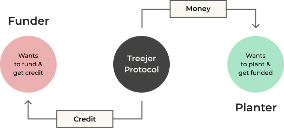
Treejer is a seed stage startup founded in 2021 that connects sponsors to rural planters worldwide. It is a “A unique borderless approach in Climate Action powered by blockchain technology.” Treejer creates a link between those who fund trees and those who plant them even in the most remote parts of the world. The platform uses smart contracts to record credit ownership and enables secure payment between different parties.
Founded by a team of 6 people in Iran, the CEO of this fledgling project is Ermia Saharkhiz. Over the last 12 months, the team has launched the Treejer Protocol on Polygon, a public and eco-friendly blockchain. This enables anyone anywhere to fund and plant forests using Treejer’s apps. Donors use a web interface to fund planting of trees and expand their forests online while rural planters use the app to get onboarded, submit planted trees, and receive support for their contributions.
The whole process takes place through direct crypto payments enabled by Treejer’s smart contracts on the blockchain. These smart contracts receive, store and release payments based on predefined terms. The planters are provided with user-friendly and non-custodial crypto wallets to receive their conservation rewards without bank accounts. In this way, Treejer unlocks new opportunities to support unbanked local communities around the world by creating reliable monetary incentives for planting trees.
Application of blockchain in sustainability reporting has gathered significant steam in the last few years through numerous initiatives and startups. The projects covered in this article have made great strides as well in the past couple of years. Provenance has established its presence in Europe, North America, and Asia Pacific; partnered with Douglas, a sizeable European e-commerce platform for beauty and health; and closed a $5m funding round led by Working Capital Innovation Fund and Nordic Eye. Empower has launched EmpowerChain, a blockchain network that provides tools, infrastructure, and incentives needed for the circular economy to work; developed the Empower Product Passport in collaboration with EY Doberman; and recycled 32mn kg of plastic till date. Treejer was selected for the 2021 UNICEF Venture Fund cohort, successfully ending up as one of the 5 joiners to graduate from the fund in September 2022; and is making deep inroads into Africa and Latin America through several strategic partnerships. EY’s OpsChain ESG platform launched a few months ago is already onboarding prospective clients onto its beta version and plans to leverage EY’s global reach to take this platform far and wide.
However, at the same time, the path forward to scaling these solutions globally faces several challenges that need to be overcome, such as:
These challenges signify the necessity for a systematic scaling up of the projects leveraging this use case of blockchain. Even so there is significant support available to these projects coming from the increasing importance of environmental sustainability in today’s times. Bloomberg's “Sustainable Future Study”, sponsored by Mubadala estimates the valuation of ESG assets to hit $50 trillion as soon as 2025, this represents more than a third of the projected $140.5 trillion in total global assets under management. This boom in funding is coupled with changing attitudes in the corporate world with a resounding 71% of global business leaders believing that, “Eventually, no investment decisions will be made without considering ESG.”
Most of the startups in this area are still at Seed to Series A stage; therefore, funding is going to be a key requisite for these enterprises to scale. On that end, McKinsey reports positive findings: “Climate investing experienced a period of breakout growth in capital formation over the past four years. From 2019 until the end of 2022, private-market equity investors launched more than 330 new sustainability; environmental, social, and governance (ESG); and impact funds. The cumulative assets under management in these funds grew threefold, from $90 billion to more than $270 billion.” In this rapid growth of private market investment, the public sector will also be a significant investor. The US Inflation Reduction Act (IRA), passed in 2022 has allocated more than $370 billion in funding for climate change mitigation, while the EU Green Deal can potentially dedicate upwards of €1 trillion in public and private funds. As a result, while these businesses will have to earn their valuation in a tough fundraising market, there is enough dry powder with VCs and other investors to fund these projects.
However, a key challenge also exists on the demand side. Companies must feel the need to incorporate these solutions in their sustainability reporting, something they might be averse to especially if these solutions disclose greenwashing that is covering practices and emissions earning them billions. Essentially, it is the ESG equivalent of a financial audit, and auditors aren’t exactly the best friends of the management. Therefore, mass scale adoption of these solutions on a voluntary basis can end up being very gradual, based on consumer pressure and increased ethical enlightenment among management circles. To circumvent this issue government involvement in terms of legislation is crucial. The pertinent question here being “Does mandating sustainability reporting make a real difference if measures to avoid greenwashing are not mandated as well?”
Several startups have developed scalable solutions applying blockchain technology to eliminate bias from environmental claims and reports. Their growth is tied to the growth of the larger ESG industry and government regulations will play a key role in the same. Within climate-tech, the number of unicorns has not only been rapidly expanding, but the age of new unicorns is also compressing. Close to 60% of the climate-tech unicorns in 2021 reached the $1B valuation mark in less than 7 years. However, startups founded after 2017 have consistently grown into unicorns in 4 or less years, notably making up 40% (approx.) of the prominent 2021 climate-tech unicorn cohort. Based on the funding and valuations trajectory that has stayed strong for climate-tech even after economic headwinds of 2022, the next 7-10 years will see these blockchain-based startups scaling up, turning into unicorns and hopefully – with the help of regulators – counting manufacturing, automotive, aviation, and energy behemoths of the Fortune 500 as their clients. This will finally bring about meaningful change in the trust consumers and investors place in sustainability reporting and who knows, we might save the planet after all.
[1] White, N., & Schwartzkopff, F. (2023, March 30). Over 30,000 Funds to Get Their ESG Ratings Downgraded at MSCI. (Bloomberg).
[2] Press release. (2021, January 28). Screening of websites for ‘greenwashing': half of green claims lack evidence. (European Commission).
[3] White, N., & Schwartzkopff, F. (2023, March 30). Over 30,000 Funds to Get Their ESG Ratings Downgraded at MSCI. (Bloomberg).
[4] Robinson, D. (2022, July 17). 10 Companies Called Out For Greenwashing. (Earth.org).
[1] Robinson, D. (2022, July 17). 10 Companies Called Out For Greenwashing. (Earth.org). [1] Robinson, D. (2022, July 17). 10 Companies Called Out For Greenwashing. (Earth.org).
[5] Ibid.
[6] Ibid.
[7] Meredit, S. (2023, March 24). A ‘greenwashing’ crackdown in Europe hasn’t gone down well. (CNBC).
[8] Ungoed-Thomas, J. (2023, February 19). ‘Greenwashing’ firms face steep new UK fines for misleading claims. (The Guardian).
[Student IDEAS] by Nelberto Nicholas Quinto - PhD student in the Management department at ESSEC Business School
This article offers a long-term overview of the transformative role of AI in shaping the future of creativity. Aside from democratizing creative production, it illustrates how AI enhances creativity by reducing the cognitive barriers to ideation and information recombination that is at the heart of innovation. However, issues related to rising quality benchmarks, acceptance, trust, and over-dependence may stifle these benefits. The article ends by offering a simple solution to these quandaries while highlighting other more pressing concerns related to AI’s march into the creative sphere.
---
AI's march into the realm of creativity has been teeming with trepidation, stemming from fears that increasingly sophisticated machines might eclipse our ingenuity and devalue the human experience. Dissecting the intricacies of co-creating works that are deemed creative– i.e. deemed both novel and useful – with generative AI in the first installment of this two-piece article series however reveals an inherently human process. A dance that involves iterative bouts of innovative experimentation, unique amalgamations of tools and ideas, and a critically overlooked component – emotion. The realization of these intensely human aspects offer a distinctly more hopeful perspective, contingent upon us remaining actively involved in the process.
Transitioning from the debate concerning the retention of humanistic elements in AI co-creation – elements that imbue depth, meaning, and value to the creative process, as discussed in this article’s predecessor, this installment aims to elaborate more on the benefits, limitations, and long-term challenges to creativity that arise from this generative process. The question of whether AI could potentially spell the demise of creativity in the long-term is ultimately addressed, followed by a conclusion that steers the discourse towards identifying more pressing concerns about AI that will require much of our ability to provide novel and useful solutions.
Creativity is understood as the generation of ideas, processes, or products that are both novel and useful1,2. When understood as an ability to produce works that meet this two-fold criteria of novelty (uniqueness, originality) and usefulness (value, quality), both the outcomes and processes inherent in generating them become relevant. One of the most widely observed benefits of co-creating with generative AI is that it streamlines and democratizes the process of creative production. By curtailing the costs related to skill, talent, and equipment (or software), AI facilitates the genesis of valuable, new creations –- be they illustrations, poems, marketing slogans, or strategic proposals. This empowerment invites a wider demographic to unlock their inherent creative potential and engage in the human-AI symphony of creation. Take, for instance, the case of Aamar Reshi discussed in detail in the first part of this article series. His imaginative journey to crafting a children's storybook in 3 days without any prior experience in illustration or creative writing was made possible by AI's ability to translate his motivation into captivating illustrations and engaging storylines.
AI also significantly lightens the cognitive load associated with conceiving original solutions to intricate, pressing problems. For instance, imagine a marketing team trying to brainstorm a new advertising campaign. Instead of spending hours coming up with basic ideas, a large language model (LLM) such as Chat GPT could generate a list of them within minutes. The team could then immediately start discussing which of these listed ideas are worth developing further. They could also combine different AI-suggested concepts to create something unique and impactful. In this way, AI allows for more effective use of the team's expertise and creative thinking. And while much of the content produced by LLMs tends towards the mundane and predictable, this in fact offers a crucial advantage. The immediate availability of a broad spectrum of highly conventional ideas allows individuals and teams to swiftly dispatch with the obvious, learn from these iterations, and refocus their cognitive prowess. In the context of prototyping, generative AI tools have emerged as a catalyst for quickly transforming abstract concepts in our heads into tangible, useful drafts. They shoulder the cognitive and labor-intensive burden of the initial groundwork, generating the first iterations swiftly. As a result, just as in brainstorming, teams can re-allocate their mental energy and time towards more creative tasks, including those where human expertise still surpasses AI.
As we hurtle into a future fraught with increasingly complex challenges requiring novel solutions, it's clear that both creativity and generative AI’s role in the creative process is here to stay. While individuals will continue to extract value from AI, the benchmark for what constitutes quality and usefulness will concurrently increase. When productive expectations rise, fostering creativity and innovation to meet these heightened standards will always be a need, and often, a priority. While the influx of novel combinations of information and ideas might make the task of generating something truly different and unique with AI progressively challenging as well, it will undeniably necessitate increasingly creative methods to continuously derive value from current tools and systems. Thus, regardless of how sophisticated AI systems become, creativity will always have a place within organizations and society.
For instance, in producing digital art, some graphic designers are already leveraging AI image generators such as Midjourney and Stable Diffusion to simulate prototypes of their ideas, draw inspiration from different styles, or ultimately create distinct artworks that require minimal post-processing. At first, such use of AI was deemed innovative, and there have been many cases where fresh and valuable works have been produced through such a process. But as leveraging AI capabilities have become more widespread, the novelty of such techniques have declined, and the average uniqueness of generated works have suffered as well. Consequently, the standards for what is considered useful have risen as more people have realized the value of current AI tools. Artists must then deepen their creative explorations, finding fresh ways to collaborate with AI to generate art that remains innovative and valuable amidst the evolving landscape. This may involve countless experimentations with prompt patterns or combining different tools, systems, or methods to process works generated by AI.
Meanwhile, in organizational settings, particularly when teams make use of Large Language Models (LLM), such as OpenAI’s ChatGPT or Google’s Bard, to streamline brainstorming sessions, catalyze idea generation, and decode complex problems– the interplay between creativity and AI unfolds in the same manner as in the arts. Consider a tech start-up using GPT technology to augment their product design brainstorming. The AI solutions might generate new perspectives on user interface design, providing inspirations that the team hadn't previously considered. Companies that successfully integrate such technologies into their workflow stand to gain a competitive edge, as they can alleviate the cognitive burden inherent in creative tasks and propel their innovation teams into uncharted territories. However, as AI-assisted approaches become commonplace, the novelty of these processes diminishes. As more and more employees, teams, and organizations become accustomed to harvesting the creative benefits of AI across a spectrum of tasks, the standard for what can be achieved within a certain timeframe and resource set escalates exponentially.
In response, organizations would need to persistently cultivate creativity to extract further value from AI. They might deploy additional algorithmic tools to discern patterns from past AI-laden brainstorming sessions and predict potential hurdles. For example, a company could use AI to analyze both previous meeting notes and past AI suggestions given various employee-generated GPT prompt patterns. This would allow individuals and teams to leverage insights derived from such data analyses to consequently modify their use of generative technologies for idea development and prototype-building. Such a solution could also lead to routinized processes and systems that facilitate extracting more value from novel AI suggestions in order to suit their unique problem contexts. For example, a marketing team could develop protocols for how to synthesize campaign ideas developed through multiple rounds of brainstorming with generative AI, across several meeting groups. They could also devise a structured process that involves integrating these insights with those uncovered by social media trends, competitor campaigns, and customer behavior data that predictive AI models concurrently deliver.
In such instances, creative production necessitates innovation in processes where different individuals and AI systems come together to meet the new, heightened standards for novelty and value that innovation and competition propel. However, when novel processes or new best practices are found to be creative at a given point in time, more and more companies are likely to find value in them. This implies that standards will rise again and organizations would need to search for more ingenious processes that leverage existing human and technological capital, fostering creativity and perpetuating its need.
Instead of pondering the supposed demise of creativity, perhaps the real issue at hand is the skepticism and under-appreciation of the immense value generative AI brings to the table. It is unsettling to see how quickly some individuals abandon the use of these technologies, swayed by a few erroneous outputs, unsuccessful prompts, or the cynicism of others. On the flip side, there exists an equally troubling group – those over-reliant on AI to the extent that they forsake nurturing their own critical thinking, domain expertise, and breadth of knowledge. This excessive dependency threatens to hollow out human innovation and intuition, reducing our contributions to mere button-pressing reactions to whimsical needs. The remedy to both of these conundrums lies in fostering a comprehensive understanding of AI's capabilities and limitations among the broader population, as discussed in more detail in the first piece of this two-part series.
There is simply so much value-creation lost when people do not simply understand the usefulness of generative tools that can rapidly produce creative drafts and prototypes ; all while harnessing centuries of accumulated human knowledge to yield accurate, factual results in at least 9 out of 10 instances. As such, there is a pressing need to educate individuals about applying even basic generative AI capabilities to the multitude of use cases in their personal and professional lives. This requires promoting practices that encourage persistent experimentation with AI, while fully acknowledging its current bounds and how it can complement our unique strengths.
AI will continue to improve, and so too will our abilities, skills, and talents. In this constant cycle of progression, the necessity of understanding the evolving capacities of AI and human creativity cannot be overstated. Identifying the complementary intersections between AI and our innovative capacity enables us to effectively harness their combined potential. And this begins by ensuring that we remain determined to cultivate the requisite knowledge, expertise, and capabilities to credibly evaluate the usefulness, appropriateness, and credibility of AI generated outputs.
In this dynamic panorama of evolving AI systems and expanding human capabilities, the value of experimentation in demarcating the ever-changing boundaries of both AI and our personal abilities becomes paramount. In particular, this knowledge helps illuminate our understanding of what AI can and cannot do for us, and what we can achieve more efficiently with or without these technologies, for any given moment in time. It also enables us to identify which domain-specific skills and new capabilities we should invest our time in developing and refining. And as we navigate this blurred frontier, the role of continuous learning, engagement, and development of our unique creative abilities vis-a-vis AI becomes ever more critical.
While the “death of creativity” is far from imminent, the reshaping business and societal terrain calls for both prudence and immediate action. As AI emboldens individuals and organizations to leverage technology to augment their unique capabilities and cumulative expertise, navigating this evolving landscape thus calls us to reconsider our part in the redefined creative epoch. Are we disrupting, merely keeping up, or falling behind? Survival in competitive environments, after all, necessitates exploiting the opportunities emerging technologies offer, and we should therefore set aside time in our schedules to explore ways we can achieve this at a personal level. Again, this begins by carefully discerning what both we and AI uniquely excel in, and identifying potent synergies that allow us to balance each other's strengths and weaknesses for our specific trade and tasks. Whether you are a marketer, musician, illustrator, business owner, or a corporate planner, understanding how emerging technologies affect the value and novelty you produce at any given point in time is paramount to continued success. Stop. Think. Reflect. What critical inputs, processes, and skills does AI need from you to deliver in order for you to generate ideas, products, and systems that are new and valuable? What are you doing to know or develop this? Your answers to these questions may well define your survival amidst AI’s creative renaissance.
While this thought exploration attempts to address whether AI would extinguish the flame of human creativity, it inevitably leaves a myriad of related issues unexplored. Indeed, while AI, with its prodigious generative capacities, promises to herald a creative renaissance—exploring uncharted territories of ideas and unveiling transformative solutions to pressing issues—we must also recognize the potential detrimental impact it could have on our artistic workforce. As discussed, the process of co-creating with generative AI still necessitates an intricate, often emotionally charged, and iterative human endeavor. It involves the careful orchestration of past human experiences to weave into the fabric of our creations.
Yet a recurrent threat that we are treading is the dangerous line of devaluing the authentic human touch; that is– the artisanal signature underlying much of the creative work we know. Companies may start to undervalue the finesse of artistic capability, leading to reduced remuneration for graphic designers, composers, and other artists. This, even before a novice utilizing generative AI can genuinely outperform seasoned creators. Such devaluation can cause both current and aspiring artists to neglect nurturing their unique aesthetic skills and specialized capabilities, which could be detrimental to the future of creativity. After all, truly harnessing the power of AI for creative endeavors requires not just knowing its technological boundaries, but also having a robust foundation of one’s specialized domain and the aesthetic sensibility needed to both recognize and conjure quality art.
Furthermore, we need to tread carefully on the path of intellectual property (IP) rights. Artists may feel aggrieved as their creative genius– their unique output– is utilized to train AI systems without due recompense or consent. This could make it facile for others to mimic their distinctive style, enabling these individuals to build on years of the artists’ painstaking dedication without due permission or acknowledgement. If we fail to establish robust mechanisms for suitable compensation, recognition, and consent for creative IP, we risk discouraging artists from trusting and reaping the benefits of AI. Worse, we risk a decline in traditional artistic pursuits, which form the bedrock of cultural heritage and individual expression. On a less immediate yet significant impact, we risk losing valuable creative contributions that future generations could build upon. If we deter a whole generation from pursuing arts due to lack of passion or adequate incentive, we lose more than just individual livelihoods. The vibrancy of our cultural tapestry and our collective ability to innovate are at stake. It is therefore vital that we safeguard the livelihoods and IP of artists to prevent cultural impoverishment.
Moreover, while AI undoubtedly creates new job opportunities and uncovers novel synergies between human and machine to drive value and discover novel solutions to critical problems, the rapid pace at which AI is reshaping the job market is cause for concern. The velocity of job displacement could potentially outpace that of job creation and skill development across a wide-array of fields. Its reach already extends to every facet of work, life, and the economy, sometimes unpredictably. Such an imbalance could endanger a substantial segment of the workforce, along with their dependents.
While AI is not poised to extinguish the flame of creativity, it could expedite the ebb of certain industries and livelihoods faster than it rebuilds or expands them. This necessitates an inventive approach to temper potential fallout. Hence, the real merit of AI lies not only in catalyzing and amplifying human creativity to forge new solutions to high-value issues, but also in innovating answers to the challenges it itself surfaces– from that of artistic preservation, intellectual property rights, overly rapid job displacement, and beyond.
[Student IDEAS] by Nelberto Nicholas Quinto - PhD student in the Management department at ESSEC Business School
As AI ventures into the world of creativity, fears are mounting about its potential to undermine human ingenuity and curb innovative pursuits, leading some to proclaim the 'end of creativity.' To navigate this complex issue, this article demystifies the concept of 'creativity,' explores its societal and organizational importance, and breaks down its key elements—novelty and usefulness. Amidst this analysis, a key concern emerges: does the 'human touch' – e.g. emotions, feelings, human experience and intention, etc. – matter in our evaluations of creativity, and if it does - are AI co-creation necessarily devoid of it? We analyze this in a case study and conclude on how this affects our understanding of AI’s effect on overall creativity.
---
Recent advancements in artificial intelligence (AI) have prompted us to ponder the fate of human creativity and its relationship with technology. Present-day AI platforms have demonstrated their prowess in generating a diverse array of creative outputs. From fabricating tailor-made digital imagery, crafting compelling advertising phrases, drafting cogent essays, or even composing infectious tunes, the allure of generative AI technologies is unmistakable. In 2022 alone, they have drawn a staggering $2.654 billion in investments, marking a tenfold increase since 2020. As AI encroaches upon what was once considered a uniquely human domain, the ontological, economic, and legal systems that underlie creative production are consequently being redefined in profound, uncharted ways. Amidst this upheaval, a question emerges: Is creativity dying, and is AI the culprit?
To untangle this provocative question, it is essential to probe into the essence of creativity—its core attributes and its significance to society and organizations. Creativity is defined as the generation of ideas, solutions, or products that are both novel and useful1,2. It is a multifaceted phenomenon, encapsulating not just the outcome or process of idea development, artistic creation, or problem-solving3, but also the inherent ability of individuals to produce the new and valuable. As the cornerstone of innovation, creativity transforms unique ideas into tangible actions or products, which in turn fuel technological advancements. Within organizations, creative employees are a catalyst for competitive advantage4. They contribute unique solutions to pressing challenges, resulting in strategies, business processes, and design concepts that drive success. Creativity also bolsters adaptability in the face of external changes and disruptive technologies, enhancing the likelihood of success for individuals and organizations5.
To grasp the essence of creativity’s central components – novelty (newness, originality) and usefulness (value, quality) – think of the last time you or someone around you has deemed something to be ‘creative.’ Was the value found in the end result or in the process that led to it? As will be revealed, this distinction is central to the debate of whether the growing impact of AI will usher in a creative renaissance or its antithesis.
The traditional perspective of creativity places emphasis on the final product. Think about an evocative novel or an influential film. Their creativity is gauged by the audience's experience with the completed work. The unpredictability of the plot, the introduction of nonconforming characters, and the use of groundbreaking narrative styles all serve as sources of novelty. Meanwhile, the exhilaration experienced from narratives that defy convention, the emotions they stir within us, the curiosity they spark, and the respite they offer from everyday life—all are markers of usefulness attributed to the end product. AI-generated designs, leading to a revolutionary product, align with this perspective. From a managerial standpoint, the value is not in the AI's process of creation but in the resultant artifact—its appeal in the market, and its innovative design that caters to and anticipates consumer needs.
From this product-centered perspective, AI emerges as a potent tool for enhancing our creativity. It produces innovative ideas and forms that inspire human artists and democratize access to creative production by making aesthetic prowess and innovative combinations more accessible. Generative AI can be conceptualized as a new 'paintbrush' for artists and creatives. Anyone can pick up this 'brush' and create—be it poems, design prototypes, or unique product concepts—without necessarily needing the traditional, extensive training or experience. For many, this accessibility may very well foster inclusivity, thereby encouraging a larger population to engage in creative pursuits. It brings people who might never consider performing artistic or innovative work into the sphere of creative endeavors, exploring their human ingenuity as they co-create with AI.
However, such democratization comes with its own challenges and limitations. The novelty of the output generated heavily relies on the creativity infused in prompts. The usefulness of the final output also remains somewhat limited, especially when considering the current state of AI wherein the quality of the generated paragraphs, images, or media may still fall short of those produced by traditional professionals.
There's often a substantial amount of trial and error involved in crafting the right prompts, as well as significant post-processing once a satisfactory output is achieved. While these are technical limitations that may be resolved as AI advances, there's another side to consider. As AI improves, so will the benchmarks for what is considered quality, useful, and new. Therefore, it's rare for a few string of prompts to suffice in creating something truly considered creative—that is, novel and valuable—for its time. Even with significant advancements in AI capabilities over time, leading to minimal post-processing or prompt engineering needs, there's always an inherent risk tied to tools that simplify processes.
Another facet of creativity lies not in the final product, but in the process itself. Envision a Master Chef contestant, orchestrating a culinary symphony with a keen eye for novelty and a daring spirit to match the time and ingredient constraints set by Gordon Ramsay and his colleagues. Their masterpiece unfolds as an intricate dance of unexpected ingredient pairings, artistic presentations, and innovative use of techniques, equipment, and resources. Here, creativity is not solely defined by the outcome but by the culinary journey that unfurls, tantalizing taste buds and challenging preconceived notions of what can be done with limited resources. Similarly, improvisational theater values the performers' on-the-spot thinking, synchronized action, and narrative creation, as much as the final performance. The process is integral to determining creativity. Even in organizational settings, the sequential motions inherent in problem-solving —brainstorming, experimentation, and collaboration—are regarded as creative, alongside the effectiveness of their end solution.
Despite known limitations, numerous instances exist where works co-created with AI have been recognized for their creativity. Last year, a digital image generated by AI won a statewide art competition in Colorado. The judges affirmed that their decision to honor the contestant would have remained the same, regardless of prior knowledge of AI involvement in the artwork. In April of this year, a song that employed AI to generate melodies in the voices and styles of popular artists Drake and The Weeknd, went viral on social media. Titled 'Heart On My Sleeve', this track mimicked the stars' distinctive styles in verses ostensibly about pop sensation Selena Gomez, who has romantic ties with The Weeknd. The song was widely lauded for its innovative stylistic fusion and its infectious rhythm. Similarly, in corporate environments, generative AI has been employed to aid the development of innovative marketing campaigns as well as fundamentally novel and useful business strategies that managers can build upon and implement. As such, AI capabilities continue to improve over time, it's becoming increasingly apparent that there's little pushback against the technology’s ability to generate works that are novel and valuable, provided that creativity is interpreted from a product oriented perspective. Hence, the primary criticisms against AI's capability to produce or enhance creativity stem from adopting the process-centric one.
Valuing process over product often comes with an emphasis on the emotional and sensory journey inherent in human imagination and innovation. This viewpoint suggests that the true value of creative work is deeply entwined with the feelings and shared experiences manifested in its creation. As AI produces creative works based on learned patterns– without true comprehension of our intentions, history, or emotions– creations that leverage it are seen to lack the depth and meaning that gives value to the creative process. Thus, for the many patrons of the human touch, any process void of these elements loses their usefulness automatically. Singer and songwriter Nick Cave eloquently expressed this very sentiment when reacting to a song written by AI chatbot GPT in 'his style':
"Songs arise out of suffering, by which I mean they are predicated upon the complex, internal human struggle of creation and, well, as far as I know, algorithms don’t feel. Data doesn’t suffer. ChatGPT has no inner being, it has been nowhere, it has endured nothing, it has not had the audacity to reach beyond its limitations, and hence it doesn’t have the capacity for a shared transcendent experience, as it has no limitations from which to transcend. ChatGPT’s melancholy role is that it is destined to imitate and can never have an authentic human experience, no matter how devalued and inconsequential the human experience may in time become.”
In December of 2022, an intriguing event unfolded in the creative world. One, that invites reflection into the humanity behind AI-co creations. Aamar Reshi, then a tech worker in Silicon Valley, who had no prior experience in graphic illustration or creative writing, produced a children’s book in the span of 72 hours and sold 841 copies in Amazon over a week. His secret sauce? OpenAI's Chat GPT for the story narrative, and the AI art generator, Midjourney, for the illustrations. This well-documented accomplishment represents an interesting shift in the creative landscape, as tasks that traditionally demanded years of learning and skill honing were executed by Aamar in a mere three days—and at virtually no financial cost.
A crucial aspect of this narrative is that Aamar circumvented the laborious grind of mastering digital design and storytelling intricacies. His main inputs, as documented on his Twitter feed6 were two-fold: textual prompts that generated the narratives and illustrations found in his book, and his clever use of these digital tools to construct a coherent piece in a limited amount of time. Trial and error was central to his creative process, as he experimented with different prompts to craft his desired manuscript and illustrations. What used up most of his time was learning to maintain a consistent depiction of his protagonists, Alice and Sparkle on Midjourney. Yet, the conversion of his imagined images and plot ideas into tangible illustrations, descriptions, and written stories required merely a few seconds of waiting time for each iteration. While Aamar's journey showcases the power of AI to democratize the creative process, it also highlights the pitfalls of such an approach. His illustrations lacked consistency and detail, likely a result of his over-reliance on AI tools and his lack of domain expertise in the digital arts. In the end, Sparkle, Alice's robot companion, was rendered differently across each page due to Midjourney's inability to produce consistent illustrations from the same descriptions. Alice, too, was not spared from inconsistencies, depicted with missing fingers on occasion.
Aamar was innovative in his clever use of limited resources to solve a pressing challenge: creating a children's book. Although he did not utilize traditional artistic techniques or software, his co-creation with AI served as a conduit for transmuting his imagination into tangible prototypes that allowed him to develop a novel plotline through experimentation with various prompts. Confronted with the issue of inconsistent images, Aamar applied his human ingenuity to devise a clever solution: describing Sparkle to be a robot that metamorphosed into various forms- a creative fix that cohesively blended with his narrative.
As noted, his case also illustrates the democratization and streamlining of creative work. Even if he lacked formal training in graphic design and had no prior experience as an illustrator or storyteller, he was still able to conceive an original, interesting story that had (somewhat) coherent and meaningful illustrations. In essence, he came up with creative solutions to turning his fresh ideas into a tangible product which found significant demand, and hence– value, upon its release. And although the usefulness of his work is limited by the inconsistent and, at times un-detailed, illustrations –a limitation which might diminish as AI technology continues to evolve and improve– the evidence suggests that Aamar’s final product is in fact, creative - i.e. novel and useful. Despite the innovative manner in which he developed his storybook however, the value in his process remains questionable to those who value the human elements which underlie creativity production. Therefore, the query looms: was his work void of the humanity that– arguably– gives meaning, depth, and usefulness to the creative process?
Not only did he “borrow” the feelings and emotions nested in the collective intelligence within Chat GPT's memory to produce his plot, dialogue, and illustrations, but upon further contemplation, much of his process actually involves a variety of inherently human attributes. The excitement he felt with his work, the love he felt for his niece that sparked this project, the oscillations between euphoria and melancholy during each imaginative iteration, and the victorious sensation he savored as he reveled in his accomplished masterpiece were all profoundly human experiences and emotions.
In the parlance of Nick Cave’s critique: his blood, sweat, and guts coalesced into a tangible expression of creativity– there at his desk– a realization of a nebulous idea that made its way to him. That is- within the vast expanse of algorithmic and artistic unpredictability, his creative idea found him. In all his humanity. And he made it come to fruition in three relentless days. Thus, Aamar’s case illustrates that the process of co-creation with generative AI can, and often does, involve quintessential human aspects where innovation emerges from processes and ideas that are new and valuable.
For those of you who have used AI to generate works that were considered novel and highly valuable by your peers, organization, or audience-evaluators, perhaps it is time to reflect and appreciate the inherent humanity in your creative work. For those of you who haven’t, you are invited to envision what such a process should involve as you go through the next sentences.
Think of instances where you brainstormed ideas or developed potential solutions through a conversation with Chat GPT. Maybe there were times when you involved generative AI in creating a business proposal, an artistic illustration, a musical piece; or perhaps a scientific publication, an innovative product, or even a clever recommendation that was, in fact, considered original and beneficial. Did your creative journey involve the emotional roller coaster of highs and lows? The frustration felt when ideas fail? The iterative cycles where you leveraged multiple tools and information sources in inventive ways to achieve a part of your desired outcome?
Did you harness feelings and intuitions from your gut? Did you rely on tacit heuristics and knowledge formed from years of accumulated experience and social interactions deeply embedded in your human psyche? If the answer to some of these questions are a yes, then it only shows that Aamar’s experience was not an isolated case- but is, in truth, a generalizable one.
These aspects are integral to our humanity–our shared experience– and they would very likely have been present in the generative AI co-creation instances that you experienced or envisioned. Even the journey to developing your accumulated expertise in whatever it is you do involves painstakingly human ways in which you labored to sharpen them. More people need to be reminded that the knowledge and skill that you and I have developed is critical to both evaluating and building upon the intermediate outputs produced by AI to produce works that are actually novel and useful.
Indeed, the route to producing work that is genuinely innovative, with or without AI's assistance, invariably involves a unique recombination of our lived human experiences and abilities. As can be drawn from your personal cases, and that of Aamar Reshi’s, creators often employ a range of tools, techniques, and information sources to generate value and endure iterative procedures that are seldom smooth and free of emotional dynamics. As such, so long as humans remain in the production loop, any creative process that leverages generative AI still retains significant traces of our shared experience and human nature.
As with all tools that streamline processes, there is always a danger that individuals might over-rely on them, progressively depending less on their abilities and unique value contributions. In this case, such a trend could lead to a reduced cultivation of both individual creativity and the essential skills relevant to creative production—be it mastering the use of a paintbrush, crafting a riveting narrative for a target audience, evaluating the aesthetics of a presentation deck, or steering a company brainstorming session. As AI takes up an increasing part of the creative process, our aptitude for ideation, improvisation, and critical thinking may begin to fade.
Similarly, when individuals overestimate AI’s ability to generate value, there is also a tendency to bypass activities that cultivate our ability to generate the novel and useful. Examples include discussing our ideas with our colleagues (as opposed to just chatting with an LLM about them), engaging in exploratory learning, or improving the depth of our specific professional expertise. The ease of producing AI-generated outputs that, at first glance, might seem highly innovative and valuable, might also cause a drop in motivation to engage in creative work - i.e. the question: 'If AI can generate creative works with relative ease, why should I expend the effort?' People need to understand that the path is often an arduous, emotionally tumultuous one, and cases where new and useful products are developed with relative ease are very much the exception rather than the norm. Moreover, projecting into the future, if AI does advance to the extent that it eliminates the need for substantial post-processing work, several prompt iterations, inventive ways to combine different tools and knowledge inputs to produce a novel and useful work– and well, all the emotions that come with these– would that signal the demise of creativity? It definitely is a possibility. If co-creating with generative AI results in fewer problems that demand new and impactful solutions, then creativity may diminish simply because we would need less of it. But that is, by all means, a good problem to have.
It is imperative that individuals learn to co-create with generative AI tools both responsibly and proficiently. The outlined risks to our creativity demands an understanding that these technologies are not replacements for our own cognitive ability and domain expertise. Neither are they supposed to be used as quick-fix mechanisms for producing content (e.g. essays, images, or sounds) with scant surprise or quality appeal. Instead, individuals should engage with these tools in ways that stimulate their critical thinking, challenge them to push the boundaries of convention, and inspire them to conceive ideas, products, artworks, or business processes that are not only distinct from predecessors but also more efficient, value-enhancing, and superior in quality. And all of this begins with understanding that the path to truly creative co-creation with generative AI is a painstaking, iterative, and exploratory process that requires novel ways to combine our cumulative human experiences, imaginative capacity, and knowledge with the current capabilities of these technologies.
Such a paradigm shift necessitates substantial investment from organizations, educational institutions, and even governments in programs designed to enable and encourage these exploratory practices. Experimentation, after all, benefits from guidance and often comes at the cost of not getting traditional work or schooling done. But this should not be a cause of worry. We have already witnessed select groups of individuals and organizations leveraging generative AI in new and useful ways that showcase their unlocked creative potential. Business news feeds and popular technology sites such as TechCrunch, Product Hunt, and VentureBeat are filled with a rich variety of new use cases each week. Hence, it is conceivable that support for such endeavors are likely to come. And, as history has demonstrated, when the innovative use of AI enables select groups of people or organizations to excel in their niche, gain a competitive advantage, or simply overcome their peers, then others will emulate their strategies– fueling creativity and perpetuating the cycle of innovation.
Will AI spell creativity’s demise, or could it instead ignite a renaissance of sorts? If the concern lies in losing the humanity behind the creative process, then, so long as humans are involved in the creation process, and that problems and needs that require novel and useful solutions, approaches, or products continue to exist, then the more optimistic of the two scenarios is likely to materialize. In other words, AI may well just revolutionize creativity for the better.
There are, however, a few other concerns that need to be accounted for, such as the lack of acceptance or understanding behind the value that these generative technologies bring. Particularly relevant as well is how increasing AI adoption inevitably creates higher standards for what is valuable, truly unique, and feasible to accomplish within a given period of time. The sequel to this article attempts to summarize all of these other concerns, building on the evidence and logical arguments presented in this first part to more robustly answer the tantalizing question behind AI’s impact on creativity. Importantly, this second installment will underscore the necessity to shift our focus. The imminent issue may not be a potential dwindling of our ingenuity, but rather a constellation of critical factors surrounding the perception and common understanding regarding what it takes to co-create ideas, processes, or products with AI that are truly novel and useful. There's also a pressing need to consider the protective measures extended to workers who are at the interface of AI's influence. For instance, while AI may not necessarily stifle overall creativity, it holds the potential to extinguish the arts if considerations around the valuation of artistic capabilities and the protection of artists' intellectual property are not meticulously examined. These will all be touched upon in the sequel of this two-part article series (see "The AI Creative Renaissance: the Impact of Co-Creating with AI on Creativity and the Future of Work").
[6] content requires Twitter account to view.
AS AN INCREASING NUMBER OF PEOPLE MIGRATE TO CITIES, WILL AI'S ADOPTION EMPOWER CITIES TO PROTECT ITS INHABITANTS FROM THE RAMIFICATIONS OF CLIMATE CHANGE?
[Student IDEAS] by Seethal Reddy Kauluri - Master in Management at ESSEC Business School
This article will look into the definition of the attention economy, what it entails, how it affects society at large, and why everyone should care; particularly in this new age of exponential and wide-use of artificial intelligence. Moreover, it will guide a possible way forward for citizens to deal with the attention economy, and underline the sway that users have over the tech services that govern our daily lives.
---
“ AI is the new electricity.” - Andrew NG, co-founder of Coursera and Google Brain Deep Learning Project.
From bushfires in Australia, floods in India, droughts in Africa, to dry corridors in Central Asia, we have seen some of the deadliest and costliest climate disasters of history[1] in the recent past. They won’t be the last of such disasters to occur if our efforts to fight climate change remain scant as today. According to the United Nations[2], the global emissions were supposed to be reduced by 7.6% per year between 2020 and 2030 in order to limit global warming below 2 degrees Celsius (3.6 degrees Fahrenheit) set at the Paris Agreement. However, global emissions increased in 2021 after a dip by 5% in 2020 due to the COVID-19 pandemic.
Cities contribute to over 70%[3] of these global CO2 emissions due to massive industrialisation and motorised transportation systems that still use fossil fuels. They are also the most vulnerable to these disasters as they are home to more than half the world’s population today and three quarters of the population or 6.5 billion people by 2050. Asia and Africa, where the majority of the population still resides in rural areas, increasingly face the stress of rapid urbanisation, while uplifting living standards at the same time. According to Mckinsey Global Institute's report[4], Asia will starve due to increasing droughts, and India may lose up to 30 percent of annual daylight hours by 2050 due to rising temperatures.
As we desperately hunt for solutions to protect our cities in the wake of this emergency, this article critically compares and assesses the potential of AI as a solution as it is increasingly revered today in various applications due to its abilities to perform human-like tasks faster, with minimum errors, and at a much grander scale than was possible before.
To overcome the challenge of rapid infrastructural development while improving quality of living, many African and Asian countries are looking to build smart cities: to integrate advanced technologies to manage overcrowding and traffic, and to manage resources better. Smart cities also seem to be a way of attracting foreign investment as they are seen as an opportunity to expand markets, promote innovative products and services, tap into emerging hubs for skilled workforce and gain trade benefits. While there is no universally accepted definition of a smart city, in a broader sense, it has been defined by multiple sources as a city that leverages smart technology and communication, such as, data analytics, cloud computing, Internet-of-Things (IoT), or artificial intelligence to achieve operational efficiencies for the welfare of the citizens. But this definition doesn’t explicitly state that smart cities are necessarily built to be resistant to the adversities of climate change.
According to the Intergovernmental Panel on Climate Change[5], Climate Resilient Development is urgently needed. It defines this framework as, “reducing exposure and vulnerability to climate hazards, cutting back greenhouse gas emissions and conserving biodiversity are given the highest priorities in everyday decision-making and policies on all aspects of society including energy, industry, health, water, food, urban development, housing and transport.” Therefore, as the global smart cities market[6] is expected to grow to the value of about $1.38 trillion by 2030, there is an increasing need to refocus this investment on building smart cities that are, in fact, resilient.
Before proposing solutions, let us first analyse some popular non-AI experimental eco-settlements and assess whether inspirations can be drawn from their styles of governance, economy, and self-sufficiency in achieving climate-resilience. One such settlement is Auroville[7] in Viluppuram district of India, which was founded in 1968 as a community in which people from all over the world could come together and live in harmony, transcending the barriers of nationality, race, and religion. The town is resilient to climate as the inhabitants are committed to sustainable living while reducing environmental impact by adopting methods such as using renewable energy, organic farming, and implementing water conservation and waste management systems. Auroville also places a strong emphasis on educational programs that help build the knowledge and skills needed to adapt to the impacts of climate change. It is home to several research centres and innovative projects that focus on sustainability and climate resilience.
Another utopian settlement project is NEOM[8], which is part of Saudi Arabia’s vision 2030 that aims to offer its citizens the best of diverse climates - from sun-soaked beaches, floating industrial islands on Red sea, to ski resorts in snow capped mountains, all while running on 100% renewable energy. The region, an area larger than Israel, aims to eliminate cars and roads by replacing them with a hyper-speed rail that covers the entire Line - the shape in which the city will be built for a length of about 177 kms. Each block of this city aims to be self-sufficient by building schools, groceries and other basic amenities at a walkable distance to cut emissions. The project also claims to care for biodiversity by building a coral-reef restoration project.
However successful or utopian these experiments might sound, it is overly ambitious to adopt their styles on a large scale. Auroville is a close-knit community with a number of residents just over 3000, although the plan was initially to attract tens of thousands more residents. This sense of unity helps build social resilience, which is essential for climate resilience but cannot be replicated at a global scale due to bureaucracy and disharmony between national and local governments. This is also why NEOM, which aims to host up to 9 million residents by 2045 (only 0.09% of the world population by then), aims to have an independent governance system with laws of its own, which not only substantiates that it is easier to control climate policies in a smaller sample, but also establishes that it is impossible to achieve these climate and self-sufficiency objectives while remaining under the law and economy of its host country that still derived 68%[9] of its budget revenues from oil in 2019. Another challenge of scaling these models is the differences in global diversity. Even though Auroville brings together diverse people from all over the world, they are still connected through a common sense of spirituality and respect for nature. These individuals share values of collectivism and insist on learning a common language, Tamil, to facilitate cooperation and smooth community functions. Finally, such models depend on local resources for self-sufficiency. While Auroville depends on its organic farms and renewable projects for food, energy and water, Neom aims to build a close-knit self-sufficient economic hub by attracting world-wide talent from 14 industrial sectors in creating a concentration of resources and economic power that makes it far easier to achieve resilience here than at a macro-level. Analysts also suggest that projects like Neom are more a delay towards climate objectives than a solution as living in Saudi Arabia necessitates the use of air conditioning, which is still challenging to shift into renewables.
Therefore, as the sustainable models implemented in the cities discussed above cannot be replicated on a larger scale, we must turn towards more pragmatic and viable solutions to improve our cities’ climate resilience.
According to a survey conducted by BCG[10], AI can expedite reduction of GHG emissions up to 10% per organisation and up to 5.3 billion tons of CO2e if scaled globally. This is because of its enormous power of gathering, computing, and analysing unstructured, multidimensional, and end-to-end data points. As cities in Asia and Africa suffer from inefficient city designs due to informal settlements and inadequate public transportation systems, these regions can radically transform into sustainable and resilient cities by leveraging AI’s power in 360-degree information modelling to optimise energy, reduce wastage, and improve accuracy and speed of climate-modelling for better mitigation and preparedness in the short-term and adaptation and resilience in the long-term.

In buildings, energy can be optimised by autonomous lighting, heating, and cooling based on occupancy levels, time of the day, weather conditions and occupants’ comfort. AI can be used to track carbon foot-print, water usage, and waste production in order to set consumption limits. AI can spot anomalies through data gathered from sensors and check performances of equipment outside the norm for timely maintenance and repairs. AI can predict energy requirements to ensure ample solar panels and storage are installed for uninterrupted renewable energy consumption. Comparative data analysis from other green-buildings, or with simulations based on AI-built “digital twins”, can be used to prescribe alternative architectural designs in comparable areas to further reduce emissions if required. For example, it can be prescribed to use tinted windows or green roofs to keep the buildings cooler if the major carbon emitter for a particular building is air conditioner. AI can cluster the occupants based on consumption behaviours and emissions for law-makers to either encourage favourable behaviours through reward systems or through penalties.
Similarly in transport, AI can optimise train and bus routes and frequencies by matching demand and supply based on time of day, season, weather, etc. It can be used to predict repairs and maintenance in advance to prepare for downtime and ensure that public transportation is always available and running smoothly without interruptions. It can also be used to propose on-demand services or reduce off-peak inefficiencies caused by vehicles running almost empty because of their fixed itineraries and schedules. Personal vehicles can be replaced by car-pooling that matches passengers based on pickup and destination. AI can also analyse data about walking, running, and cycling activity to make recommendations. For instance, it can suggest the best locations for basic neighbourhood amenities such as groceries, coffee shops, pharmacies, schools and emergency clinics, to ensure widespread access that does not rely on fossil fuels. It is also possible to centralise transport systems to optimise routes and traffic. A city’s transportation system can be entirely integrated on a 360-degree carbon monitoring to ensure that collectively, the city’s transport stays within the carbon budget. If at a particular time, personal vehicles on road cause more emissions, reinforcement learning can be used to encourage citizens to use more of public transport by increasing frequency of trains and metro while increasing time of red traffic signals on the road to discourage vehicle traffic or converting roads into carbon-free zones to promote cycle and pedestrian-traffic only.
AI can study vast data from weather sensors, satellites, news reports, and social media, and spot hidden patterns and events to predict risks, such as temperatures, sea-levels, droughts, rainfalls, heat-waves, hurricanes etc. Predicting these events can help prepare the necessary infrastructure for minimising the consequences, including utilities’ networks (water, gas, electricity, etc.), critical to the proper functioning of a city. These patterns and clustering can also help predict the degree of impact for each region based on population density, industrial activity, infrastructure, biodiversity, etc and compute the degree of rescue services and relief supplies required for better mitigation. An integrated biodiversity system can help monitor species, plantations and conditions of habitats to spot patterns of endangerment, deforestation and environmental factors affecting the weather patterns.
Thus, AI’s power of integration systems from macro to micro-level emission monitoring and hazard prediction can help build a harmonised source of truth and scale what smaller experiments like Auroville or NEOM have on a much larger, global scale.
The aforementioned ideas may sound like the answer to our problem, but there is resistance in the adoption of AI due to several reasons. Firstly, the data is widely scattered and dissociated as there is a lack of centralised data source. This is because the climate objectives are too broad and the firms and law-makers haven’t adequately defined the KPIs to be tracked for each sector. To establish the same could be challenging as a large infrastructural overhaul will be required to substitute independent systems with interconnected, autonomous and accountable systems and appliances which might be highly infeasible depending on the scope of project and the cost of sensors, storage, computing resources, and personnel required to implement the models. Therefore, it is the duty of the law-makers and enforcers to break down the objectives to smaller key results and introduce policies for infrastructure, construction and automobile industries to mandate accountable data collection points in their products. Secondly, there is lack of education and training on AI expertise among organisational leaders and governing bodies to realise its vast potential. Free online and offline educational programs, workshops, and certifications shall be set up from schools to organisational leaders and policy-makers to equip them with the requisite knowledge. States should also promote research centres, events and competitions in the field of green-AI to encourage new and innovative ideas. Another challenge is that setting up large-scale and centralised AI integrated systems requires huge financial investments which is challenging for countries in Asia and Africa due to the pressure of mitigating fundamental gaps in the economy and infrastructure. According to a report by OpenAI[11], it is estimated that the cost of training a model on a large dataset will increase to $500 million by 2030 due to an increase in the size of datasets needed to train large models. However, setting up this investment right away will ensure resilience, cost-efficiency and a significant gain in the GDP of up to 4.4%[12] by 2030. But even if these governments were convinced to step up the financing for this preparation today, a larger issue regarding AI adoption would remain: can we trust the results that AI provides?
One of the reasons why AI-based recommendations are not always relied upon is due to the quality of their design and model training. Human intervention in feeding, labelling and training data while the model is built can give room for bias and skewed results. For example, if the AI-based traffic system mentioned earlier aims to manage demand and supply to optimise bus routes in a city, such a model will work inefficiently if it has been trained on historical data of a city’s bus routes where certain high-income areas never had a bus-stop because they used cars. Such a model will have to be trained on collecting data from all modes of transport to understand commuting patterns. New experimental car-pooling and bus routes will have to be set up initially to collect data on public transport preferences of the citizens. Another example is if a model has studied smartphone data of a region to understand walking and cycling patterns to plan roads and accessible neighbourhood amenities such as groceries and pharmacies. Such a model will work inadequately if the data collected was from an area of ageing population with minimal smartphone adoption. Therefore, such models will have to be trained by nudging some preferred behaviours first[13], and may rely on human modelling assumptions (such as that which was used in the 1970s to predict train demand for the newly created BART system in San Francisco, and for which Dan McFadden received the 2020 Nobel Prize in Economics)[14].
An additional concern is regarding the confidentiality of the information captured by the AI systems that can compromise privacy and security. The accuracy of these models will depend on the extent to which the inhabitants are willing to share their information. The law-makers need to carefully consider the type of information to be mandatorily collected from the citizens, and ensure that it does not compromise their freedom of choice. Additionally, will highly autonomous systems be capable of considering externalities? Or new patterns? Indeed, what if green-buildings’ AI integrated systems were trained on pre-pandemic occupancy levels, but when another pandemic, like COVID, hits the region causing almost everyone to work from home? Will such AI systems accept the extra-bandwidth of energy needed to run the residential buildings? It would be necessary that such a system should also train the carbon budget at the macro-level and maintain a global balance of buildings’ emissions, by temporarily transferring the carbon budget of office buildings to that of the residential buildings. This brings us back to the general limitations of AI that when faced with adversities, especially in situations when no historic data or patterns exist, a human intervention is always required. Then the real question remains for us to ask ourselves, whether undergoing such an ambitious infrastructural project is justified given the human efforts required despite the massive capital expenditure and with the uncertainties of the risks present in adopting it.
Given the numerous applications of AI in mitigating climate risks and achieving climate-resiliency, overlooking such an immense potential will be a significant missed opportunity. However, due to the challenges present in adopting a globally-scaled autonomous infrastructure and the accuracy of its decisions, AI is only an accelerator towards achieving our climate objectives and not the solution itself. Just as it is easy to coordinate smaller-sized homogenous experimental cities, implementing AI for climate should be scaled step-by-step starting with the most vulnerable sectors by carefully monitoring the results and reimplementing models in similar and comparable conditions.
Achieving climate-objectives goes beyond adoption of AI. International organisations, governments, urbanists and corporations have a fundamental role in adopting a harmonious framework by breaking down climate objectives into smaller-measurable targets for each region, industry and sector. They play an important role in creating a clear path for investment and innovation. Governments should pave the way for adoption of new technologies that will not only make our future cities smart, but future-proof them. Policies in education, research and business will play a defining role in the future of AI and in its adoption for a green, stress-free future of habitation.
[1] 10 costliest climate disasters of 2022. (2023). World Economic Forum.
[2] Cut global emissions by 7.6 percent every year for next decade to meet 1.5°C Paris target. (2019). UN Environment Programme
[3] Dasgupta, S., Lall, S., Wheeler, D. Cutting global carbon emissions: where do cities stand? (2022). World Bank
[4] Woetzel, J., Tonby, O., Krishnan, M., Yamada, Y., Sengupta, S., Pinner, D., Fakhrutdinov, R., and Watanabe, T. Climate risk and response in Asia. (2020). McKinsey Global Institute.
[5] What is Climate Resilient Development and how do we pursue it? Intergovernmental Panel on Climate Change report.
[6] Thormundsson, B. Smart cities market revenues worldwide 2019-2030. (2023)
[7] Koduvayur Venkitaraman, A., Joshi, N. A critical examination of a community-led ecovillage initiative: a case of Auroville, India. Clim Action 1, 15. (2022).
[8] Palmer, I,. Is Saudi Arabia’s New Climate City ‘Neom’ Future Or Fantasy? (2022) Forbes.
[9] Almasoud, A., Albasri, K., Alshammari, M., Alghamdi, R., Alanazi, A., Binladen, S., Alsikhan, S., Kingdom of Saudi Arabia Budget Report. (2018). KPMG.
[10] Maher, H., Meinecke, H., Gromier, D., Garcia-Novelli, M., Fortmann, R. AI Is Essential for Solving the Climate Crisis. (2022). BCG.
[11] AI Model Training Costs Are Expected to Rise From $100 Million to $500 Million By 2030. (2023). MetaversePost.
[12] Herweijer, C., Combes, B., Gillham, J. Artificial intelligence and the fate of planet Earth. (2019). PWC.
[13] Cowls, J., Tsamados, A., Taddeo, M. Floridi, L. The AI gambit: leveraging artificial intelligence to combat climate change—opportunities, challenges, and recommendations. (2021). AI & Soc.
[14] McFadden, D. The Measurement of Urban Travel Demand. (1974). Journal of Public Economics, 3, 303-328.
[Student IDEAS] by Rinalyn Pagao - MSc in Sustainability Transformation at ESSEC Business School
The intersection of degrowth and technological advancement presents a complex and nuanced picture for our future. This article explores whether it could coexists and complement each other to some extent.
---
Do you ever feel like the pursuit of economic growth has taken us down a dangerous path, where the health of the planet and its inhabitants are sacrificed for the sake of financial gain? If you are nodding your head in agreement, then continue reading because we are about to dive into a fascinating topic: degrowth.
In our current global society, the growth-based economic model has dominated for too long, leading to environmental degradation and social inequality.1 Fortunately, an alternative concept of degrowth has emerged, promoting a supposedly sustainable and more equitable way of life. However it does not surprise us that regardless, technological advancement and digitalization continue to shape and transform our world in profound ways that could seem inevitable.
In this article, we will explore the intersection of degrowth and technological advancement, and critically analyze their intertwined potential implications in a global context.
Degrowth is a concept that challenges the idea that economic growth is necessary for human development and wellbeing. It is based on the principles of sufficiency, resilience, and equity, and calls for a reduction in production and consumption levels to achieve a sustainable and equitable society.2 While the concept of degrowth has its roots in the 1970s, it has gained more attention in recent years as a response to the current ecological and social crises, however it also raises some criticisms as such that degrowth is too radical and impractical, while others claim that it overlooks the needs of those in poverty.3
Technological advancement has undoubtedly brought about many positive changes to our world, from medical advancements to increased connectivity and access to information. However, it has also been associated with negative impacts such as environmental degradation, social inequality, and job displacement. The debate around technological determinism, the idea that technology shapes society, versus social constructivism, the idea that society shapes technology, is still ongoing.4 Both views have their merits, and the truth likely lies somewhere in between as per what the scholars suggest. While this debate is not the focus of this article it is still important for us to consider both perspectives when thinking about the relationship between technology and society, as this will help us to develop a more nuanced understanding of this complex issue.
Technological advancements per se in the sustainability sector are the renewable energy, clean transportation, energy efficiencies, and carbon capture and utilisation storage (CCUS) - can these potentially be a powerful tool to degrowth our economy?
The latest report done by the International Energy Agency (IEA) on its Clean Innovation Report: Global status of clean energy innovation in 20205 acknowledged that technological innovation is crucial for addressing climate change and achieving the goals of energy policy, such as expanding access to energy and lowering air pollution. However, it might be hard to monitor innovation progress, specifically the major challenge to be able to quantify or allocate inputs to policy goals like more affordable technology, industrial change, and economic growth. Nevertheless, a number of measures, including (1) funding and (2) patenting, might provide insight into clean energy innovation on a worldwide scale. More comprehensive sets of measurements are being created by some governments in order to find and share best practices.

This trend tells us that the government funding on energy research and development increased by 3% in 2019 to USD 30 billion globally, with over 80% of that money going toward low-carbon energy technology. Specifically in China, the low-carbon component of energy research and development increased by 10% in 2019, with significant increases in research and development for energy efficiency and hydrogen in particular. Spending on public energy R&D increased by 7% in both Europe and the United States, exceeding the previous year's trend.

On the other hand, in terms of patenting since 2011, the quantity of patents submitted for low-carbon energy technologies has sharply decreased after a decade of rapid increase. Patents capture part of the intermediate R&D outputs, a percentage of which will be converted into commercial products, and so offer a window into the research operations that are producing new information with a view toward its perceived commercial value. However, general patenting trends offer us some insightful data on the scope and direction of clean energy innovation.
The drop in renewable energy patenting activity from roughly 2011 may be due to the maturity of some technologies. The dominance of existing solar PV, bioethanol, and wind technologies may discourage researchers from striving to improve them and enter the markets in Europe, Japan, and the United States. Moreover, renewable energy patenting continues to be more active than it was before approximately 2007, and Li-ion battery patenting, in particular, is expanding (EPO and IEA, 2020).
Now that we have built a solid foundation on what constitutes a green technological innovation, what begs a question here is that how could it intersect with the degrowth principle? In the publication done by Hickel and Kallis (2019) they investigated and tried to answer: is green growth possible?6 According to the green growth theory, sustained economic expansion is consistent with our planet's ecology because technology change and substitution will allow us to completely disconnect GDP growth from resource use and carbon emissions. This claim is increasingly assumed in national and international policy, including the Sustainable Development Goals. Green growth has developed as a major policy response to climate change and ecological disintegration. However, empirical evidence on resource utilization and carbon emissions does not support green growth theory. After reviewing relevant papers on historical trends and model-based projections, this research study conducted reveals that:
“(1) there is no empirical evidence that absolute decoupling from resource use can be achieved on a global scale against a background of continued economic growth, and
(2) absolute decoupling from carbon emissions is highly unlikely to be achieved at a rate rapid enough to prevent global warming over 1.5°C or 2°C, even under optimistic policy conditions. We conclude that green growth is likely to be a misguided objective, and that policymakers need to look toward alternative strategies.”
Hence, even looking at the intersection between the myriad of technological innovations we have reached today, especially the energy transition needed to net zero emissions by 2050 commitment, the promise of a sustainable future for our current and for the next generation is still not guaranteed.
In this section, let’s dig deeper on the four main paradoxes that hinders technological advancement toward sustainability and degrowth: (1) decoupling growth from resource consumption, (2) e-waste generation, (3) conflicting power and politics, and (4) cultural and social implications.
Degrowth advocates for a reduction in production and consumption levels to achieve a sustainable and equitable society.7 However, this poses a challenge in a world where economic growth is closely tied to resource consumption. This means that if we want to reduce production and consumption levels, we will also need to reduce economic growth. This is a challenge because economic growth is seen as essential for prosperity by many people. There are a number of ways to address this challenge. One way is to change the way we measure economic growth. We could focus on measures of well-being, such as life expectancy, happiness, and environmental quality, instead of GDP. Another way is to decouple economic growth from resource consumption. This means finding ways to grow the economy without increasing resource consumption.
While technological advancements can facilitate the transition towards renewable energy and more efficient production processes, it is unclear whether they can enable a complete decoupling of growth from resource consumption. According to the Global Footprint Network, achieving sustainable resource use would require a reduction in resource consumption by roughly 75% in high-income countries and 90% in middle-income countries.8 This would be challenging to achieve through technological advancements alone. In addition, the findings in the recent study stated that while energy and material efficiency improvements have reduced the amount of resources required for each unit of GDP, the overall consumption of resources has increased due to economic growth.
According to the United Nations The Global E-waste Monitor 2020, in 2019 there was a record high of 53.6 million metric tonnes (Mt) of electronic waste generated globally, which is an increase of 21% in just five years.9 E-waste is a term used to describe discarded electronic devices and equipment such as discarded electronic devices and equipment, such as computers, mobile phones, televisions, refrigerators, and air conditioners. It may contain harmful substances, and can pose significant risks to the environment and human health if not managed appropriately.
The production of e-waste is increasing quickly due to advances in technology and the popularity of electronic devices among consumers.10 As a consequence, it imposes potential conflicts between degrowth and technological advancement. The increasing levels of e-waste, low collection rates, and non-environmentally sound disposal and treatment of this waste stream pose significant risks to the environment and human health. Also, as technology advances, older devices become obsolete and are often discarded, leading to a significant environmental impact.11 Hence, degrowth principles call for a reduction in consumption levels, while the technology industry relies on continuous consumption and disposal of new products.
The implementation of both degrowth and technological advancement requires significant changes to the current global economic and political systems, which is a very challenging task. The dominant economic and political actors may not be willing to relinquish their power and privilege to facilitate such changes. It can be seen in the reluctance of many governments to adopt policies that would limit economic growth or reduce resource consumption.
Furthermore, this is exemplified by the failure of the COP26 climate summit where we all witnessed countries failing to agree on crucial measures to limit global warming.12 The International Energy Agency has also warned the public that current climate policies fall short of what is required to limit global warming to 1.5°C above pre-industrial levels, and rapid action is needed to avert a climate catastrophe. In addition, there are questions around who benefits from technological advancements and whether the benefits are distributed equitably. Finally, a study by Oxfam International found that the world's wealthiest 1 percent emit more than double the carbon emissions of the poorest 50 percent.13 This highlights the need for degrowth principles to reconsider and move away from the mentality that growth is good for the economy, instead prioritizing sustainability, equity, and well-being of the public over endless growth and consumption.
Finally, a report by the World Economic Forum found that the gender gap in the technology sector is widening, with women underrepresented in artificial intelligence and other emerging technologies.14 Additionally, the reliance on technology can also lead to social isolation and a disconnection from the world behind the screens of one's smartphones. This illustrates that the development of new technologies can reinforce existing power structures and exacerbate social inequalities. In the article published by UNICEF, it is found that social media use was associated with higher levels of anxiety and depression among teens’ mental health.15 The findings reveal that social media use may contribute to anxiety and depression by increasing social comparison, leading to feelings of inadequacy, and providing a platform for cyberbullying. However, it is important to note that correlation does not equal causation, and more research is needed for us to understand the complex relationship between social media use and mental health.
Throughout this article we have seen that the intersection of degrowth and technological advancement presents us with a complex and nuanced picture for our future. Technological advancement is the development of new technologies that can improve our lives in a variety of ways. On the other hand, degrowth is a socio-economic paradigm that advocates for a reduction in production and consumption levels to achieve a sustainable and equitable society. While both concepts offer potential solutions to the ecological and social challenges we face, we must recognize their limitations and critically evaluate their implications. Degrowth, for example, could lead to a loss of jobs and economic growth. Technological advancement hence could have negative environmental impacts, such as increased pollution and resource depletion.
The cultural and social dimensions of technological advancements must also be considered. For example, some technologies, such as social media, can have negative impacts on mental health. We must work towards a more equitable and sustainable global society, where everyone has access to the benefits of technological advancement, and where the negative impacts are minimized. Ultimately, our goal is to find a balance between sustainability and progress, and to ensure everyone can enjoy the benefits of technology without harming the planet or ourselves.
1. Technology is a tool, not a solution. It can help us address environmental challenges, but it cannot solve them on its own. We need to use technology in combination with other approaches, such as degrowth and social change.
2. Achieving both degrowth and technological advancement would require significant global changes. These changes would be difficult to achieve due to political and economic complexities.
3. In our current economic system, which is driven by growth, it can be challenging to reduce production and consumption levels. This would require a fundamental shift in the way society and the economy operate.
4. Technology has both benefits and limitations. It can improve our lives, but it can also create new problems and exacerbate existing ones.
5. To achieve just sustainable economic transition, we need to recognize the complex and interconnected nature of our environmental, social, and economic challenges. Developing solutions that address all of these challenges is needed simultaneously.
[1] Hickel, J. (2020). Less is More: How Degrowth Will Save the World. Penguin Random House.
[2] Degrowth Movement. (2023). Degrowth. Retrieved July 6, 2023, from https://degrowth.info/degrowth
[3] Victor, P. A. (2019). Growth, degrowth, and climate change: A scenario analysis. Ecological Economics. Retrieved from https://www.ledevoir.com/documents/pdf/victor_growth.pdf
[4] Jonas Hallstrom (2020). Embodying the past, designing the future: technological determinism reconsidered in technology education. International Journal of Technology and Design Education, Retrieved from https://link.springer.com/article/10.1007/s10798-020-09600-2
[5] IEA (2020), Clean Energy Innovation, IEA, Paris https://www.iea.org/reports/clean-energy-innovation, License: CC BY 4.0
[6] Hickel, J. and Kallis, G., 2019, 'Is Green Growth Possible?,' New Political Economy, DOI: 10.1080/13563467.2019.1598964
[7] Kallis, G. (2011). Degrowth: A vocabulary for a new era. London: Routledge.
[8] Global Footprint Network. (2019). Ecological Footprint and biocapacity of 209 countries and territories, 1961-2016. Retrieved from https://www.footprintnetwork.org/content/documents/2019_Country_Fact_Sheets.pdf
[9] International Telecommunication Union. (2020). The Global E-waste Monitor 2020. Retrieved from https://www.itu.int/en/ITU-D/Environment/Documents/Reports/GEM_2020_report.pdf
[10] World Health Organization. (2018). E-waste and children’s health. Retrieved from https://www.who.int/ceh/publications/e-waste-childrens-health/en/
[11] United Nations Environment Programme. (2019). Global E-waste Monitor 2019.
[12] United Nations. (2023). COP26: Together for our planet. Available at: https://www.un.org/en/climatechange/cop26
[13] Oxfam International. (2022, November 8). Billionaire emits a million times more greenhouse gases than average person. Retrieved from https://www.oxfam.org/en/press-releases/billionaire-emits-million-times-more-greenhouse-gases-average-person
[14] World Economic Forum. (2020). The Global Risks Report 2020. World Economic Forum. Retrieved from https://www.weforum.org/reports/the-global-risks-report-2020
[15] UNICEF. (2018). Is social media bad for teens’ mental health?, Retrieved from https://www.unicef.org/stories/social-media-bad-teens-mental-health
[Student IDEAS] by Vanshika Sharma - Master in Data Sciences & Business Analytics at ESSEC Business School & CentraleSupélec
This article delves into the powerful fusion of Digital Twins and AI, shaping a sustainable future. Tracing the evolution of Digital Twins and AI and narrating stories like Virtual Singapore's smart city transformation, the article explores their potential to revolutionize industries and confronts the hurdles in the implementation. Ultimately, it sheds light on potential remedies and new technologies poised to navigate these challenges.
---
In today's digital age, innovative technologies are driving significant transformations in various industries. One such transformative technology is digital twin technology, which involves creating virtual replicas of physical objects or systems. This state-of-the-art technology has proven to be instrumental in optimizing operations, reducing production timelines, and fostering innovation across industries. By connecting the physical and digital realms, digital twins enable simulations, real-time data-driven decision-making, and remote system management.
This brings us to an exciting intersection of technology and sustainability. Can the combination of digital twin technology and artificial intelligence (AI) enhance sustainability efforts? Can this data-driven approach optimize resource utilization, minimize waste, and promote sustainable practices across sectors? In this article, we will explore the concept of digital twins, their role in driving sustainability across industries, the associated challenges, and their future prospects.
Digital twins are high-fidelity digital replicas of physical entities or systems that mimic their behavior and processes over time. By integrating data from sensors and machines, digital twins provide a comprehensive understanding of the physical world, enabling better decision-making and optimizations.
The impact of digital twins has permeated through manufacturing, healthcare, construction, energy, and e-commerce. For instance, Amazon, a global e-commerce leader, utilizes digital twin technology to enhance remarketing advertisements. By leveraging vast amounts of data on users' past purchases, viewed products, and visited websites, Amazon's digital twin algorithm creates personalized replicas of each consumer. This enables tailored experiences and targeted remarketing ads, ultimately driving users back to their platform.
However, the significance of digital twins extends beyond business efficiency. When combined with AI, these virtual replicas hold promise in promoting sustainability by optimizing resource utilization, reducing waste, and fostering sustainable practices across industries. Industrial giants like Unilever harnessed the power of digital twins at its facility in Brazil. They used a digital twin to fine-tune manufacturing parameters, such as the temperature for soap production. Such minor tweaks led to a productivity improvement of 1% to 3% and an energy cost saving of USD 2.8 million.
But how did we arrive at this point, and what lies ahead? Let's delve into the origins of digital twins and AI, explore their convergence, and understand their impact on the sustainability landscape.
Digital twin technology has evolved significantly since its inception in the 1960s. It was first utilized by NASA to create physical replicas of systems on the ground that matched those in space. The breakthrough came during the famous Apollo 13 rescue mission, where a critical system failure threatened the crew's safety. Leveraging digital twin technology, NASA engineers simulated conditions and tested solutions from the ground, eventually guiding the crew back to safety.
However, it wasn't until the early 2000s that the term "digital twin" was coined by Michael Grieves during a presentation on product lifecycle management center. This marked the formal recognition of digital twin technology and its potential to revolutionize industries. The integration of the Internet of Things (IoT) in subsequent years made digital twins more cost-effective and practical, paving the way for widespread adoption across industries.
In recent years, the integration of AI has taken digital twin technology to new heights. AI analyzes data from various sources, providing real-time insights into system performance and empowering organizations to make accurate and timely decisions. Today, AI-enhanced digital twins are at the forefront of sustainability efforts, optimizing operations, reducing waste, and improving resource efficiency. The synergy between digital twin technology and AI drives innovation and facilitates sustainable development, making them indispensable for our future.
Sustainability efforts encompass a multifaceted approach to meet present needs without compromising the ability of future generations to meet theirs. In this context, digital twins and AI have emerged as significant catalysts for driving sustainability.
Digital twins revolutionize system monitoring and optimization, excelling in resource utilization, emissions simulation, and supply chain optimization. They also play a vital role in predicting maintenance requirements, minimizing downtime, and generating cost savings while enhancing productivity.
The increasing role of AI in digital twins further enhances their precision. Acting as digital mirror images, AI leverages real-time data to provide real-time insights into system performance, empowering organizations to make informed decisions based on accurate and timely information. AI algorithms excel in data analysis and predictive capabilities, surpassing human cognitive abilities in speed and accuracy.
Moreover, AI addresses key challenges in the digital twin landscape by facilitating seamless integration and improved performance across systems. It consolidates sensor data, optimizes processes, and ensures real-time updates are delivered, overcoming interoperability challenges. The transformative power of AI in the digital twin ecosystem cannot be overstated, as it enhances the simulation and prediction accuracy of virtual models.
This powerful combination of digital twins and AI not only accelerates sustainability efforts but also implements them more effectively. By leveraging the capabilities of digital twins and the potential of AI, organizations can achieve their environmental goals, propelling us toward a more sustainable future.
The market's response to digital twins affirms their growing importance. In 2020, the digital twin market was valued at $5 billion. However, a 2023 report by Fact.MR estimates this market to swell to a staggering US$ 95 billion by 2033, growing at a brisk 34.3% CAGR from 2023 to 2033. A survey conducted by the Capgemini Research Institute in 2022 adds another dimension to this trend: 51% of the digital twin implementers surveyed believe that this technology will help them achieve their environmental sustainability goals.
There are, of course, varied views regarding the role of digital twins in driving sustainability. While some organizations primarily see this technology as a tool for process efficiency, others perceive its role in product design and development. Regardless, 57% consider improving sustainability efforts as a key driver of their digital twin investments, underscoring the environmental considerations that factor into the adoption of this technology.
To make this idea more tangible, let’s understand it with an example of the industrial manufacturing sector. Here, digital twin technology, coupled with AI, identifies improvement areas to transform operations. Manufacturers can spot pain points, such as machine inefficiencies or quality control issues, that may cause product defects or delays. Digital twins also identify energy loss areas and opportunities to reduce consumption, like inefficient machinery or sub-optimal processes. AI algorithms expedite data analysis and future outcome predictions, surpassing the pace and accuracy of human cognitive abilities. Virtual simulations further curb waste and power consumption associated with physical prototypes, permitting emulation of a production line using a digital twin. This enables changes at every stage to amplify cost savings, boost efficiency, and diminish environmental impact, making digital twins and AI integral allies in the quest for sustainability.
Singapore, a city-state often acclaimed for its smart city initiatives, stands at the forefront of adopting digital twin technology. Its ambitious project, Virtual Singapore, exemplifies how this technology can be harnessed to drive sustainable urban development.
Launched in 2023, Virtual Singapore is a dynamic digital twin of the city, incorporating a wide range of data, from geographic and architectural details to demographic and real-time sensor information. This virtual cityscape empowers authorities to model and analyze different urban scenarios. They can simulate the impacts of new buildings on wind flow, sunlight, and traffic or forecast the implications of population density changes on the city's infrastructure and services. This aids in making data-driven, informed decisions and ensures the city grows sustainably.
Solar potential is another area where Virtual Singapore shines. This digital twin aids authorities in identifying the best rooftops for solar panel installation, promoting renewable energy use and reducing Singapore's carbon footprint. In crisis situations like fires or terror attacks, the digital twin can quickly devise optimal evacuation routes, ensuring citizen safety. Virtual Singapore also supports public health monitoring, measuring the density of disease-carrying mosquitoes to predict potential outbreaks. This leads to swift preventive actions and aids in responding promptly to potential health crises.
Digital twins are playing a significant role in optimizing supply chains and logistics for sustainability, as seen in the collaboration between Maersk and Ericsson in 2023. By creating a digital twin of a shipping vessel, they are able to optimize fuel consumption, leading to a reduction in carbon emissions. Using real-time sensor data, the digital twin modeled the vessel's operations to pinpoint improvement areas. As a result, Maersk was able to cut fuel consumption and associated carbon emissions by up to 20%, contributing significantly to its sustainability initiatives and leading to considerable cost savings. Predictive maintenance enabled by the digital twin also allowed Maersk to proactively address potential issues, mitigating downtime or disruptions.
Implementing digital twins and AI for sustainability efforts is not without challenges. This journey is marked by hurdles that encompass data collection and management, system integration, cybersecurity concerns, significant costs, social, ethical considerations, and even the potential environmental implications of the technology itself. Let's delve into each of these challenges in detail, bringing to light specific case examples.
Data is the lifeblood of digital twin technology, and the process of collection, standardization, and management of this data is indeed an uphill task. Take the case of Singapore's Virtual Singapore project; the creation of a comprehensive digital twin of the entire city demands data inputs ranging from geographical, architectural, to demographic and real-time sensor information. Collating and normalizing this data from varied sources necessitates an intricately devised data collection strategy, coupled with a reliable set of data sources.
The integration of digital twin technology within existing systems, especially in intricate networks like supply chains and logistics, often proves to be a significant barrier. The digital twin initiative of Maersk and Ericsson provides a case in point. To obtain valuable insights, their digital twin had to be compatible with Maersk's shipping operations and Ericsson's telecommunications technology, demanding seamless integration and interoperability.
The heavy reliance on data of digital twin technology and AI makes them prime targets for cyber-attacks and potential data breaches. The case of Amazon, which uses digital twins for re-marketing, underscores the importance of securing customer data against potential threats. This necessitates the implementation of robust cybersecurity measures and a constant state of vigilance.
The significant costs associated with implementing digital twins and AI can pose notable challenges. Unilever's venture into the digital twin realm, for instance, required substantial investments in hardware, software, and training. Simultaneously, the company had to ensure that the complexity of the technology did not stymie its adoption.
The impact of digital twin technology and AI on society is a crucial consideration. From potential job losses due to automation to concerns about the technology's carbon footprint, these issues cannot be overlooked. While Unilever's use of digital twins led to enhanced production efficiency, it could potentially result in job losses due to automation.
The path towards sustainability using digital twins and AI is filled with challenges. However, it is essential to understand that these hurdles can be managed with meticulous planning and execution. Addressing the complexities in implementing digital twins and AI for sustainability necessitates robust strategies and pioneering technologies. An essential part of this process is establishing strong data governance policies that streamline data collection, storage, and usage, reducing time consumption and enhancing data interoperability. Automated tools and standardized data formats can further facilitate this.
While digital twins and AI offer transformative possibilities, it is important to recognize the potential vulnerabilities and risks associated with relying heavily on AI. Substantial investments are necessary for successful implementation, encompassing not only technological infrastructure but also training and upskilling initiatives to ensure a skilled workforce capable of leveraging these technologies effectively.
Seamless integration of digital twin technology with existing systems can be achieved using middleware solutions or APIs, which enable different software applications to interact and exchange data. These integration methods allow for efficient utilization of data from diverse sources, enhancing the effectiveness of digital twins in driving sustainability. To counter cyber threats, advanced cybersecurity measures like data encryption, secure access controls, and regular security audits are vital. The protection of sensitive data and infrastructure is paramount, and cloud-based digital twin platforms, with their built-in security features, provide an extra layer of protection.
Addressing social and ethical concerns is crucial in the adoption of AI. This involves the creation of ethical AI frameworks and guidelines, ensuring AI aligns with societal values and ethical norms. It is important to consider the potential impact of AI on employment and mitigate potential job losses through upskilling and reskilling strategies, fostering a workforce that can adapt and thrive alongside these technologies.
Emerging technologies offer exciting possibilities for enhancing digital twin and AI capabilities. Edge computing enables real-time data processing at the source, improving digital twin system performance and reducing latency. Integrating Blockchain technology can heighten data security and transparency, mitigating data privacy and security issues. Advances in machine learning and AI explainability are increasing the accuracy and interpretability of AI predictions, enhancing digital twin applications in sustainability efforts.
Overall, strategic planning, best practices, and leveraging cutting-edge technologies form the crux of overcoming challenges associated with digital twins and AI for sustainability. With careful consideration of vulnerabilities, substantial investments, and the integration of emerging technologies, we can unlock the full potential of digital twins and AI to drive sustainable practices and create a better future for generations to come.
As we look towards the future, the role of digital twins and AI in sustainability efforts is becoming increasingly prominent. Technology is rapidly advancing, and with increased adoption, organizations are finding new ways to leverage data and analytics for sustainable development.
The sophistication of AI and digital twins is growing exponentially, creating more accurate models and predictions. AI's ability to analyze data from multiple sources and identify patterns and trends otherwise overlooked proves pivotal for informed decision-making and efficient resource allocation. This not only drives sustainability efforts forward but also lays a foundation for innovative solutions to environmental challenges.
However, realizing the full potential of these technologies isn't without its challenges. Data standardization, cybersecurity, cost, and ethical considerations stand as formidable hurdles. Yet, as demonstrated throughout this article, these are not insurmountable. Strategic planning, innovative solutions, and emerging technologies are keys to tackling these challenges. The embrace of Edge computing and Blockchain technology, advances in machine learning, and AI explainability, among others, are taking us closer to a reality where digital twins and AI become an integral part of sustainability strategies. These evolving technologies enhance the performance, security, and effectiveness of digital twins and AI, propelling us towards a future where technology and sustainability go hand in hand.
As organizations invest in necessary technologies and resources, the ability to fully harness the potential of digital twins and AI to meet sustainability goals becomes a tangible reality. This is a collective effort, one that calls on every sector to contribute. The fusion of digital twins and AI is not just a technological revolution; it's an essential catalyst for a more sustainable future. It's not just about embracing new technology—it's about creating a sustainable world for us all.